Houseplant growing guide
Alocasia dragon scale
Alocasia baginda 'Dragon Scale' · Araceae
Sun
Bright indirect
Season
Year-round indoors
Maturity
2 to 5 years
Water
Moderate
Soil pH
5.5 to 6.5
Spacing
1 to 2 ft
By Dandre Noah
Planting alocasia dragon scale
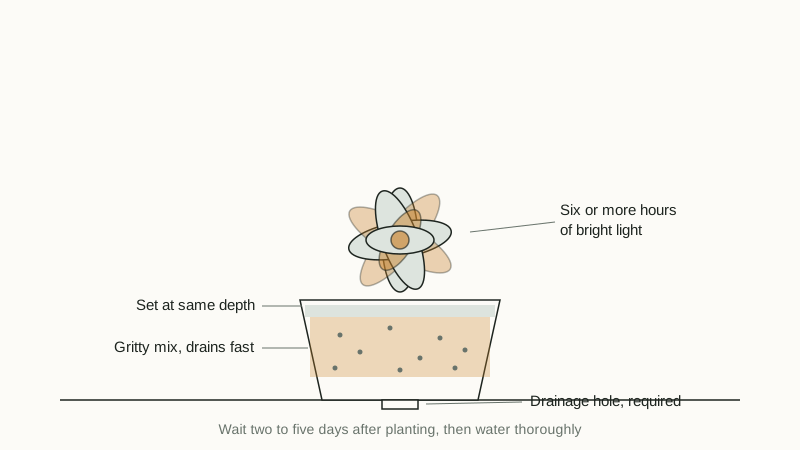
Dragon Scale is a cultivated form of Alocasia baginda, a species only described to science in 2011 from eastern Kalimantan, Borneo, and nearly all plants in the trade come from tissue culture. Unpot a new plant gently: tissue-cultured rhizomes resent root disturbance, so settle it into a small pot of chunky aroid mix and leave it alone for a full season. Repot in spring only when the pot fills with roots, and divide the corms that cluster around the base for new plants. Keep it above 60 F in bright indirect light; it is a houseplant everywhere except zones 10 to 12.
Planting details
- Pot small and snug; the rhizome rots if the mix stays wet around it
- Propagate by separating the small corms at repotting, not by leaf cuttings
- Chunky, fast-draining aroid mix with bark and perlite is non-negotiable
- Hold above 60 F; brief chills below that cost leaves
- Expect 1 to 2 feet of height and a compact, clumping habit
Growing requirements
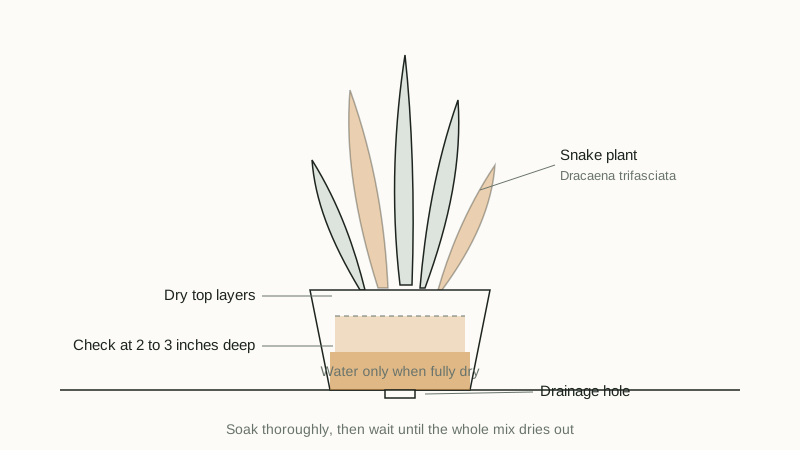
Bright, filtered light brings out the metallic sheen and the deep puckering between the veins that gives the plant its name; in dim conditions the leaves go flat and the texture softens. Keep the mix evenly moist but airy, watering when the top inch dries, and never let the pot sit in a saucer of water. The thick leaves suggest a succulent tolerance for drought, but the roots disagree: they want consistent moisture with oxygen around them. Aim for humidity of 60 percent or more, and feed lightly once a month while it is actively growing.
Harvesting and care
A healthy Dragon Scale holds four to six stiff leaves at once; older leaves yellow from the edges inward before collapsing, which is normal turnover. Dormancy is less dramatic than in the big hybrid alocasias, but cool, dark months still slow it to a crawl, so reduce water accordingly. Spider mites are the main pest and hide under the textured blades. The leaves are stiff and brittle, so handle them by the petiole rather than the blade when dusting. All parts are toxic to pets and people if chewed.
Common mistakes
- A pot too large for the rhizome, which keeps the mix cold and wet
- Overwatering a plant whose thick leaves make it look drought-proof
- Low light, which flattens the signature puckered texture
- Repotting a tissue-cultured plant immediately after purchase
- Dry air under about 50 percent, which brings spider mites onto the undersides
Companion plants
It looks and grows best alongside its sibling silver dragon, and the two side by side show the cultivar difference clearly. The classic jewel-alocasia cabinet grouping is completed by black velvet and maharani, all of which want the same humidity. A boston fern nearby lifts ambient moisture, though the fern wants more water than the alocasia does.
Varieties worth growing
- Silver Dragon: same species with a heavier silver wash between the veins
- Green Dragon: the darker green form with subtler contrast
- Pink Dragon (baginda form): a rare baginda selection with pink-blushed petioles, not the plant sold as Pink Dragon in most shops
Frequently asked questions
Is alocasia dragon scale toxic to pets?
Yes. Like all alocasias it contains calcium oxalate crystals and is toxic to cats and dogs.
Dragon scale vs silver dragon: what is the difference?
Both are cultivars of Alocasia baginda. Dragon Scale is darker green with deep texturing, while Silver Dragon carries a much heavier silver overlay between the veins.
Can I propagate dragon scale from a leaf?
No. Alocasias only propagate from the rhizome or corm. Separate the small corms at the base during spring repotting.
Why are my dragon scale leaves flat instead of textured?
Usually low light or a very young plant. The deep puckering develops as leaves mature and shows best in bright indirect light.