Houseplant growing guide
Alocasia
Alocasia x amazonica · Araceae
Sun
Bright indirect
Season
Year-round indoors
Maturity
2 to 4 years
Water
Moderate
Soil pH
5.5 to 6.5
Spacing
1 to 2 ft
By Dandre Noah
Planting alocasia
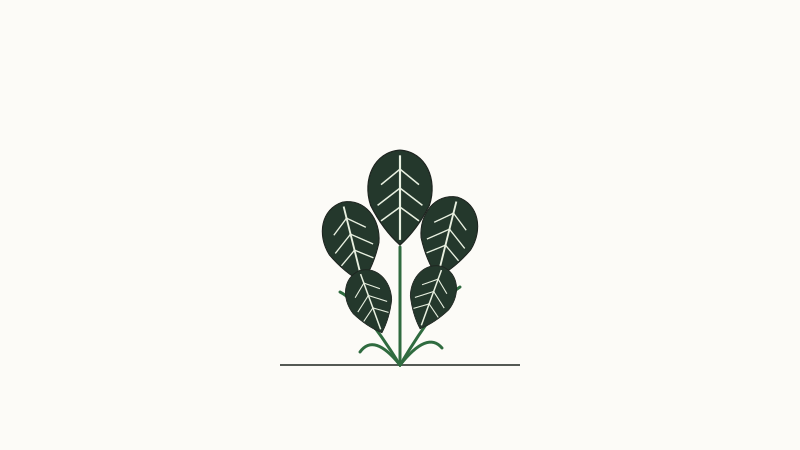
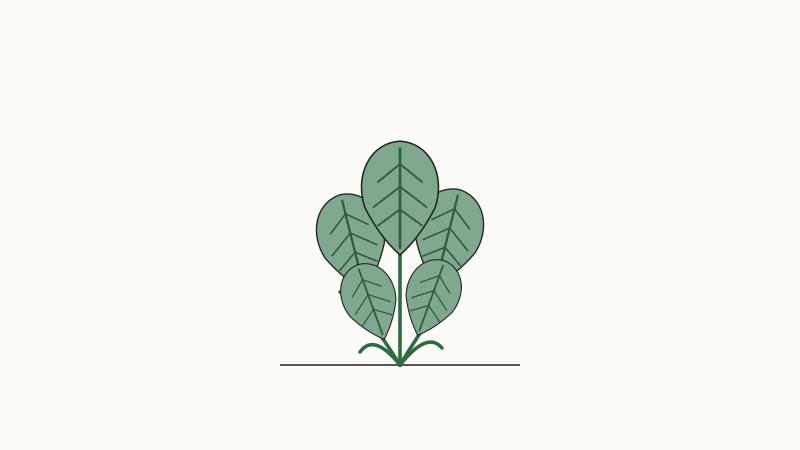
The plant sold as Alocasia amazonica or African mask is actually a hybrid, now classified as Alocasia x mortfontanensis, bred in France in the 1800s and never found in the wild. Pot it in a chunky, airy aroid mix, bark and perlite loosened into a loam base, because the rhizome rots fast in dense wet soil. Repot in spring only when the rhizome crowds the pot, and pull away the small offsets at the same time for new plants; each offset roots quickly in the same loose mix. Keep it above 60 F in bright indirect light. It can summer outdoors in shade after the last frost, but it is hardy only in zones 10 to 12.
Planting details
- Pot in a chunky aroid mix with bark and perlite; the rhizome rots in dense wet soil
- Repot in spring when crowded; offsets pull away as ready-made new plants
- Keep temperatures above 60 F and away from drafts; it drops leaves when chilled
- High humidity keeps the big leaves pristine; a pebble tray or humidifier helps
- Sold under the older name Alocasia x amazonica; botanically it is A. x mortfontanensis
Growing requirements
Bright indirect light or dappled sun keeps the silver veins sharp against the dark blades; direct sun scorches them. Keep the mix evenly moist but never soggy, watering when the surface dries, since the rhizome swings between rot and drought stress with little middle ground. High humidity, roughly 60 percent or better, prevents crisped edges, and warmth is non-negotiable: anything under 60 F pushes the plant toward dormancy. Feed with a diluted balanced fertilizer during the growing season. The leaves grow toward the light fast enough that a quarter turn of the pot every week keeps the plant symmetrical rather than lopsided.
Harvesting and care
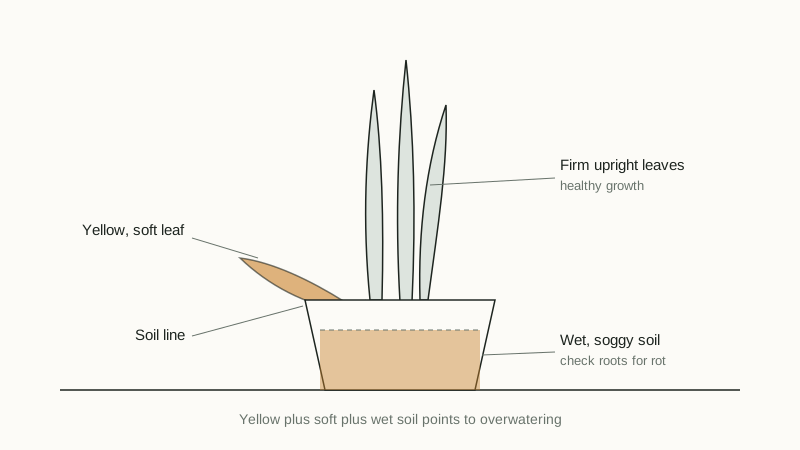
Expect the plant to hold only a handful of leaves at a time; the oldest yellows and dies back as new ones unfurl, and in winter the whole plant may go semi-dormant and want far less water. That is rest, not death, so ease off watering rather than increasing it. Spider mites love the broad undersides, so check and wipe them regularly. The essential caution: every part of the plant contains calcium oxalate crystals that burn mouths and irritate skin, making it genuinely toxic to cats, dogs, and curious kids.
Common mistakes
- Soggy, dense mix, which rots the rhizome faster than anything else
- Cold below about 60 F, which triggers leaf drop and dormancy
- Panic-watering a winter-dormant plant that simply wants to rest
- Direct sun, which scorches the thin blades
- Dry air, which invites spider mites onto the leaf undersides
Companion plants
Alocasia shares its bright, steamy corner with calathea orbifolia and other humidity lovers, and the dark arrowhead leaves contrast well against the fine texture of Boston fern. Because of its toxicity it belongs on a high shelf or in a pet-free room rather than a floor grouping; for pet households, the calatheas and rattlesnake plant deliver similar drama without the hazard.
Varieties worth growing
- Polly: the compact form most often sold; dark leaves and silvery veins to about 2 feet
- Bambino: dwarf version with narrower, glossy arrow leaves
- Ivory Coast: deep green leaves and stems that blush pink with age
Frequently asked questions
Is alocasia safe for cats and dogs?
No. All parts contain calcium oxalate crystals, which cause mouth and throat burning, drooling, and vomiting in pets. NC State Extension rates it medium severity; keep it well out of reach.
Why does my alocasia keep losing leaves?
It normally holds only a few leaves at a time and drops the oldest as each new one unfurls. Heavy leaf loss in winter usually means cold or the start of dormancy; cut water back and warm the room.
Does alocasia go dormant?
Often, yes. In low winter light it can drop most of its leaves and stall. Water sparingly, keep it warm, and the rhizome pushes fresh growth in spring.
Is Alocasia amazonica a real species?
No. It is a man-made hybrid, properly Alocasia x mortfontanensis, a cross of A. longiloba and A. sanderiana that has never existed in the wild.