Houseplant growing guide
Alocasia frydek
Alocasia micholitziana 'Frydek' · Araceae
Sun
Bright indirect
Season
Year-round indoors
Maturity
2 to 5 years
Water
Moderate
Soil pH
5.5 to 6.5
Spacing
2 to 3 ft
By Dandre Noah
Planting alocasia frydek
Frydek is the cultivated form of Alocasia micholitziana, a species from the forests of Luzon in the Philippines, and it grows from a rhizome that sits high in the pot. Plant it in a loose aroid mix, bark and perlite worked into the base, with the rhizome just buried at the surface, and repot in spring only when the roots circle the pot. Offsets form freely at the base and pull away with roots attached, which makes this one of the easier alocasias to propagate. It grows outdoors in zones 9 to 11; everywhere else it is a bright-window plant kept above 60 F.
Planting details
- Set the rhizome shallow, just below the surface, in a chunky aroid mix
- Offsets at the base separate easily and are the reliable way to propagate
- Repot in spring; rhizomatous alocasias do best left in pots year-round
- Keep above 60 F and out of drafts
- Reaches about 2 to 3 feet tall and wide at maturity
Growing requirements
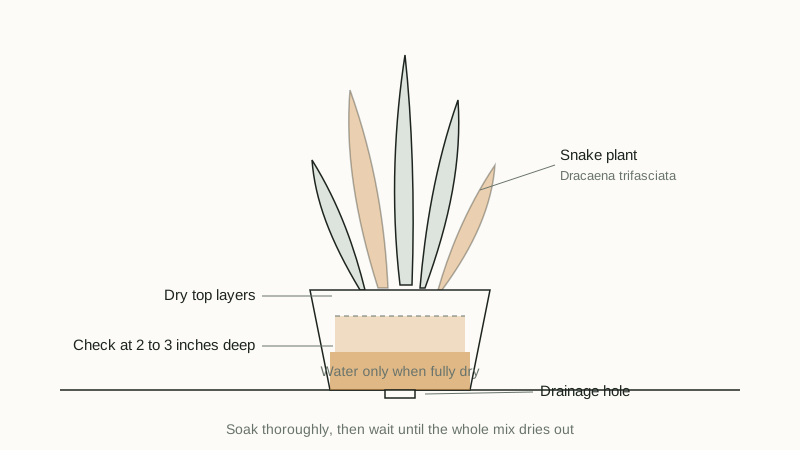
Bright indirect light keeps the white veins stark against the velvet; a few hours of gentle morning sun is tolerated, but harsh afternoon light scorches the blade. Water when the top inch or two of mix dries, aiming for evenly moist rather than saturated. Frydek forgives average household humidity better than most alocasias, but it grows bigger, cleaner leaves at 60 percent humidity or more. Feed monthly at half strength through spring and summer, and give the plant room: it is wider than the jewel alocasias and crowds its neighbors.
Harvesting and care
Frydek holds more leaves than the jewel types, often six or more at once, and drops the oldest as new growth pushes through. Winter slowdown is normal; cut watering back and expect it to push out again in spring. Spider mites favor the soft undersides, so wipe leaves down regularly, handling the velvet surface gently. The one hazard to flag clearly: every part is toxic if chewed, so keep it where cats and dogs cannot reach the blades.
Common mistakes
- Burying the rhizome deep, which invites rot at the crown
- Overwatering in winter while the plant rests
- Harsh direct sun on the velvety blades, which bleaches and burns them
- Low humidity over a long stretch, which browns leaf edges and invites mites
- Cutting off a leaf that is only partly yellowed; let it finish dying back so the plant reclaims the nutrients
Companion plants
Frydek anchors a foliage grouping the way the small jewels cannot, so pair it with black velvet or silver dragon at its feet for a display of contrasting alocasia textures. Prayer plant and calathea orbifolia share its humidity and light needs and fill the floor space under its blades. Because it is toxic, treat the whole grouping as a keep-away zone for pets.
Frequently asked questions
Is alocasia frydek rare?
Not anymore. Tissue culture made it widely available and it is now one of the more common velvet-leaf alocasias, though it still costs more than a basic Polly.
Is alocasia frydek toxic?
Yes. Like every alocasia it contains calcium oxalate crystals, which irritate mouths and digestive tracts in pets and people.
Why are the tips of my frydek leaves turning brown?
Usually low humidity or a watering rhythm that swings between soggy and bone dry. Keep humidity near 60 percent and water when the top inch dries.
Can alocasia frydek grow outside?
In zones 9 to 11, yes, in a shaded, sheltered spot. In colder zones it can summer outside after the last frost and come back in before fall nights drop below 60 F.