Tree growing guide
Autograph tree
Clusia rosea · Clusiaceae
Sun
Full sun to part shade
Season
Broadleaf evergreen
Maturity
25 to 30 ft at maturity
Water
Low to moderate
Soil pH
5.5 to 8.0
Spacing
8 to 10 ft for hedges, 25 ft alone
By Dandre Noah
Planting autograph tree
Autograph tree is a zone 10 to 11 plant, full stop: it defoliates below about 30 degrees and dies in a hard freeze, so outside south Florida and similar climates it lives in a container or bright indoor spot. Plant in spring in full sun to dappled shade; it accepts almost any soil from sand to marl and tolerates salt spray, wind, and drought once rooted, which is why it anchors coastal hedges. The planting mistake UF/IFAS calls out repeatedly is crowding: this reads as a shrub at the nursery but matures into a 25 to 30 foot tree with a matching spread, so keep it well off foundations, fences, and driveways.
Planting details
- Mature size: 25 to 30 feet tall and nearly as wide
- Hardiness: zones 10 to 11; container or indoor plant elsewhere
- Leaves are so stiff and waxy that scratches stay visible, hence the name
- Pink and white flowers open at night in summer; sticky seeded fruit follows
- Can begin life as an epiphyte on other trees, like a strangler fig
Growing requirements
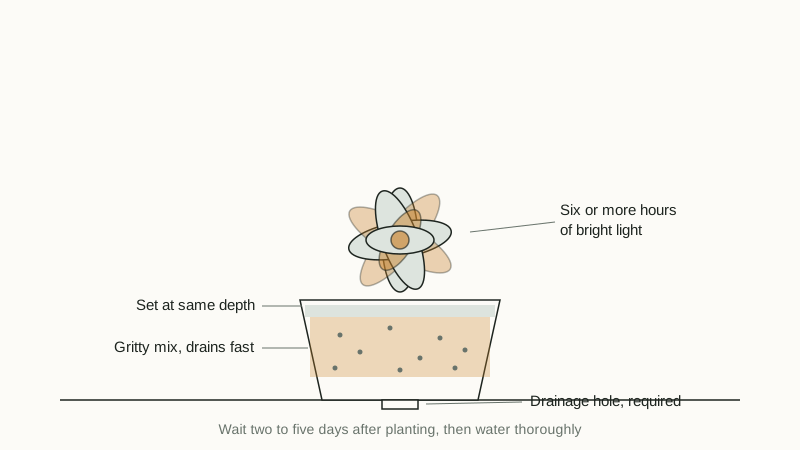
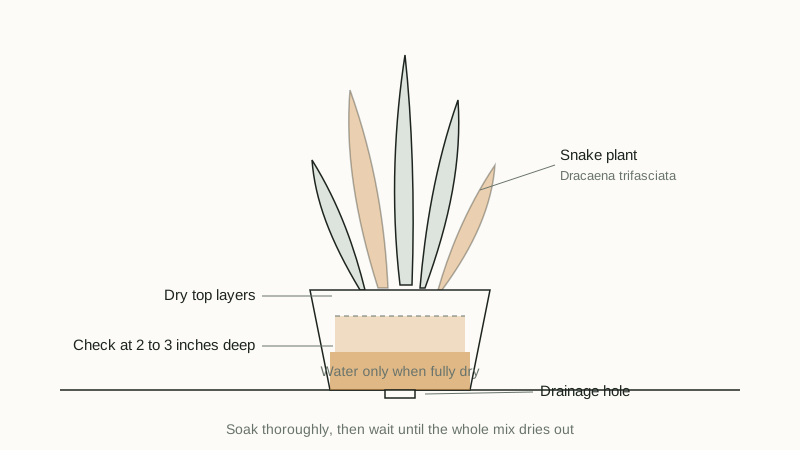
Sun to light shade and drainage are the whole brief. Autograph tree grows fastest on moist ground but tolerates drought, salt, wind, and poor soil better than almost any hedge plant in its range, and handles alkaline coastal soils without complaint. Water new plants through their first season; established landscape trees largely fend for themselves. In a container, use a well-drained mix, give it the brightest spot you have, and let the mix dry partway between waterings. Feeding is optional; a light balanced fertilizer in spring speeds container plants along. Cold is the hard limit: sustained temperatures under about 40 degrees stress it, and frost damages or kills it.
Harvesting and care
Left alone it becomes a dense, dark green tree; kept sheared it makes a nearly opaque hedge, but UF/IFAS warns that holding it as a short hedge means frequent pruning for the life of the planting. Prune after the summer flowering if you want to keep the bloom. The round, toxic fruit, called pitch apple, drops and splits open to reveal red seeds that birds spread eagerly, and seedlings pop up readily, so pull volunteers. Two honest cautions: in Hawaii and parts of its non-native range it has naturalized aggressively, and its aerial roots can establish on host trees like a strangler fig, so remove epiphytic seedlings. Indoors it needs a bright window and occasional leaf wiping; it stays modest in a pot.
Common mistakes
- Planting too close to foundations, fences, or driveways; it becomes a 30 foot tree
- Buying it for a small yard hedge and resenting the constant pruning
- Leaving it outside past zone 10; cold snaps below 30 degrees defoliate or kill it
- Dropping it in deep shade, where it survives but stays thin and sparse
- Ignoring volunteer seedlings and epiphytic starts on other trees
Companion plants
In frost free coastal plantings, autograph tree pairs with other salt and wind tolerant tropicals: banana for bold foliage contrast, bird of paradise for a layered tropical look, and areca palm for a softer screen texture at its edge. Keep the bed under its canopy mulched rather than planted, since the dense crown shades out most understory and the roots compete hard. In mixed hedges it can be alternated with other durable tropical shrubs, but give each clusia its full width or the hedge turns into constant pruning work.
Varieties worth growing
- Clusia rosea: the species itself; named cultivars are uncommon in the trade
- Clusia guttifera (small leaf clusia): a related species sold for tighter, lower hedges
Frequently asked questions
Can you really write on the leaves?
Yes. The thick, waxy leaf holds a scratch like parchment, which is where the name comes from. It is a novelty, not a reason to buy the plant.
Is autograph tree fruit poisonous?
Yes. The round green pitch apples are listed as poisonous if eaten, though birds eat the red seeds inside. Keep fallen fruit picked up where children or pets play.
Is autograph tree invasive?
In Florida it is native only to the extreme south and has naturalized beyond that range; in Hawaii it is considered invasive. It also self seeds in gardens, so expect volunteers.
Can autograph tree grow indoors?
It tolerates container life well in a bright spot with a drained mix and light feeding. It stays much smaller in a pot, and it will not flower or fruit indoors.