Flower growing guide
Autumn crocus
Colchicum autumnale · Colchicaceae
Sun
Full sun to part shade
Season
Fall-blooming bulb
Maturity
Blooms first fall after planting
Water
Moderate
Soil pH
5.5 to 7.0
Spacing
6 to 9 in
By Dandre Noah
Planting autumn crocus
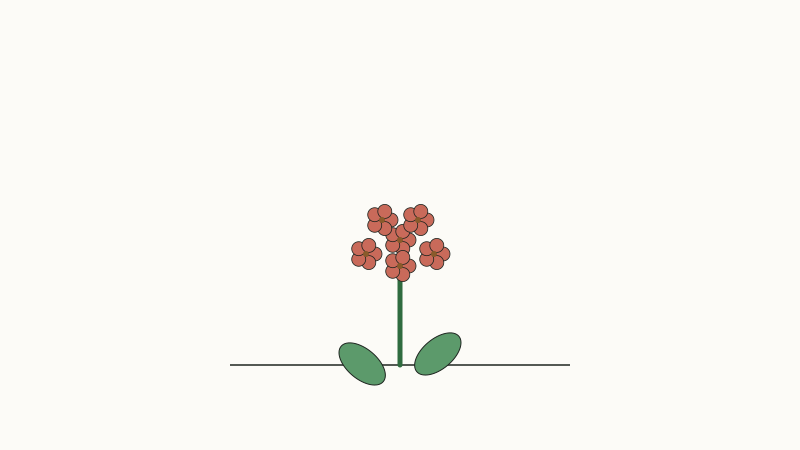
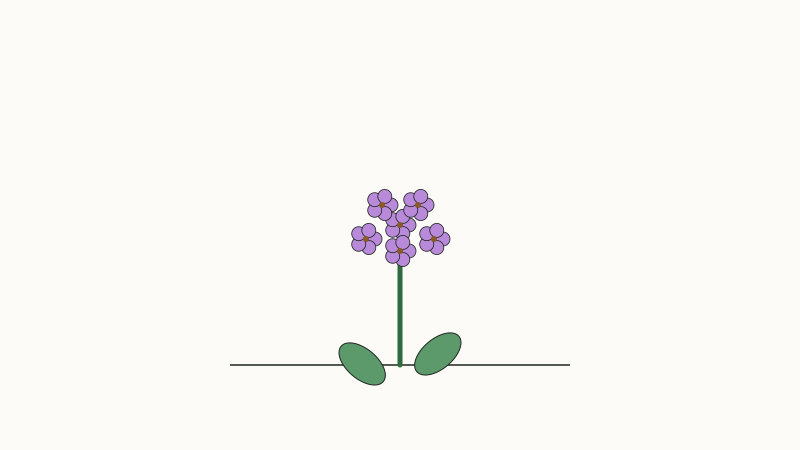
Buy dormant corms in late summer, around August, and plant them immediately, because a colchicum sitting on the shelf will bloom in the bag. Set them 3 inches deep and about 6 inches apart in organically rich, sharply drained soil in full sun to part shade; wet ground rots the corm outright. Hardy in zones 4 to 8 or 9, it is one of the few bulbs that flowers within weeks of planting: lavender pink chalice flowers rise straight out of bare ground in September and October, which earns it the name naked ladies. Choose the site for both seasons, since the flowers show in fall but a clump of broad spring foliage follows.
Planting details
- Plant corms 3 inches deep, 6 inches apart, in late summer for same fall bloom
- Flowers appear with no leaves; the foliage comes up in spring instead
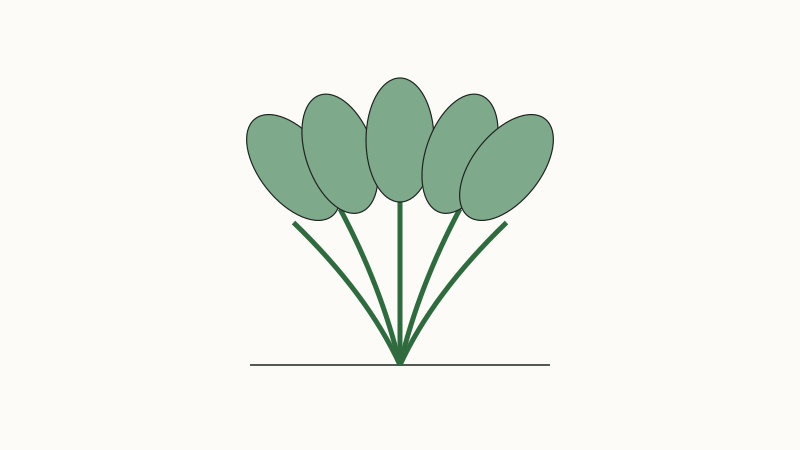
- Leave spring foliage until it yellows and dies back on its own by early summer
- Reduce water when foliage dies down in July; resume in late summer
- Divide crowded clumps during summer dormancy, roughly every 3 years
Growing requirements
Autumn crocus wants medium moisture while it is growing and drier soil while it is dormant, a rhythm that matches its odd calendar: leaves in spring, sleep in summer, flowers in fall. Rich, humusy, well-drained soil in sun to light shade suits it best, and sharp drainage matters more than fertility because corm rot is the usual failure. It naturalizes happily in lawns and rough grass if you can hold off mowing until the spring foliage yellows. Feeding is unnecessary in decent soil. In zones 8 and 9 it keeps blooming as long as summers are not bone dry; in deep shade it survives but thins out and flowers poorly.
Harvesting and care
There is little to do, which is the point. Let the spring foliage mature and yellow before removing it, since those leaves are building next year's flower crop. Mark the spot so you do not plant over the dormant corms in summer or mistake the leafless fall stems for weeds. Divide in midsummer dormancy when clumps get crowded and bloom drops off; the divided corms replant immediately. Slugs chew corms and new growth, and a fungal smut can spot the leaves, but deer, rabbits, voles, and squirrels leave it completely alone for a reason: every part of the plant, especially the corm, contains the alkaloid colchicine and is dangerously toxic. Wear gloves handling corms since the sap can irritate skin, and site it away from children and pets that dig.
Common mistakes
- Cutting the spring foliage early, which starves the corm and ends flowering
- Planting in wet or heavy soil, the main cause of corm rot
- Mowing over naturalized clumps before the leaves yellow
- Forgetting where dormant corms are and digging through them in summer
- Planting without gloves or near curious pets; every part is seriously toxic
Companion plants
Because the foliage appears in spring and disappears by summer, autumn crocus needs neighbors that hide the leaf dieback and then frame the fall flowers. Hostas cover the spring foliage as it yellows and their leaves are thinning just as the colchicum blooms. Autumn Joy stonecrop and garden phlox do the same job in sunnier spots, blooming alongside the fall crocus in September and October. Avoid planting it where thirsty annuals will be dug in over the dormant corms, and never put it in a bed where its spring leaves get sheared off with the early cleanup.
Varieties worth growing
- Pleniflorum: double rose pink flowers, slower to bulk up
- Alboplenum: double white blooms
- Waterlily: a double hybrid with pale lilac, waterlily shaped flowers
Frequently asked questions
Is autumn crocus the same as saffron crocus?
No. Saffron crocus is Crocus sativus, a true crocus. Colchicum is unrelated and lethally toxic; it has six stamens to a true crocus's three, but never eat any part of it.
Why do the flowers come up with no leaves?
That is its normal rhythm. Leaves grow in spring, die back by early summer, and the flowers emerge alone in fall, which is why it is also called naked ladies.
Is autumn crocus safe around dogs?
No. All parts contain colchicine, and the corms are the most concentrated. Ingestion can be fatal to pets and people, so plant it where digging animals cannot reach it.
Will autumn crocus grow in a lawn?
Yes, and it naturalizes well in grass if you skip mowing that patch until the spring foliage yellows. Scatter corms in drifts rather than rows for a natural look.