Flower growing guide
Autumn Joy stonecrop
Hylotelephium spectabile 'Autumn Joy' · Crassulaceae
Sun
Full sun
Season
Herbaceous perennial
Maturity
Blooms first fall from starts
Water
Low
Soil pH
6.0 to 7.5
Spacing
18 to 24 in
By Dandre Noah
Planting autumn joy stonecrop
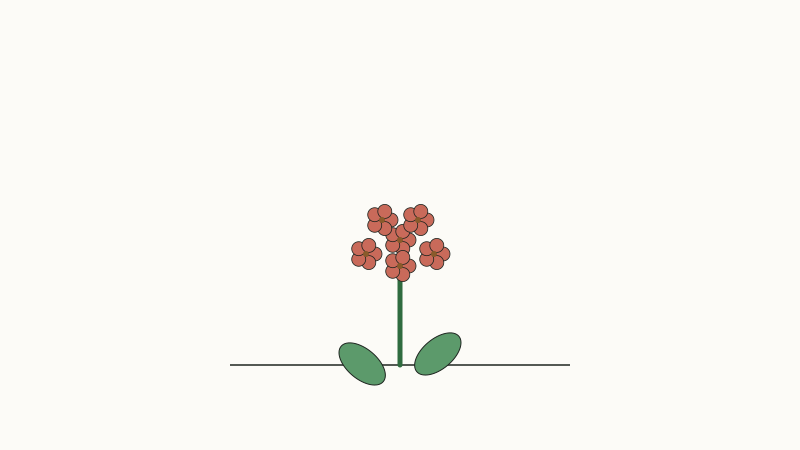
Plant Autumn Joy stonecrop in spring or fall in full sun and the best drained, leanest ground you can offer. Hardy in zones 3 to 10, it tolerates poor, gravelly, and sandy soil that defeats most perennials, but it fails in exactly two situations: rich soil that pushes soft, floppy growth, and wet soil that rots the crown. Set plants 18 to 24 inches apart and water to establish, then mostly leave it alone. It blooms the first late summer it goes in, opening pink in August and aging through red to bronze into fall, which makes it one of the last serious nectar sources of the year for bees and butterflies.
Planting details
- Mature size: about 2 feet tall and wide, in a sturdy upright clump
- Hardiness: zones 3 to 10, among the toughest perennials sold
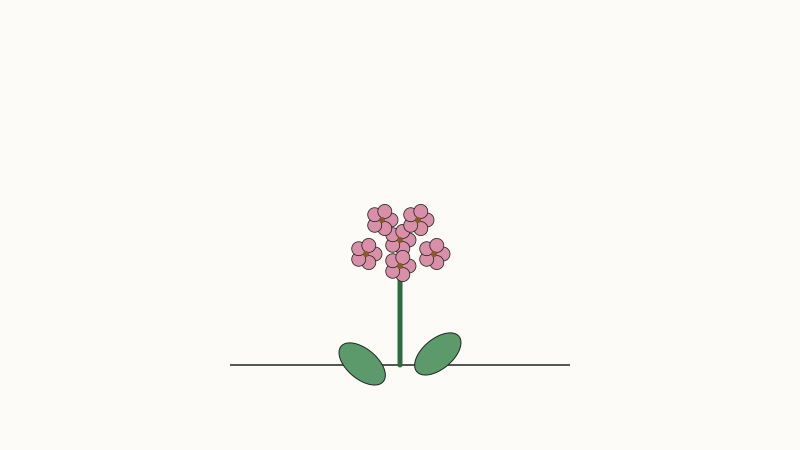
- Flower buds look like green broccoli in July, then open pink and age to rust
- Cut or pinch back in late spring for shorter, sturdier, slightly later bloom
- Drought and salt tolerant once established; rabbit resistant
Growing requirements
Full sun and drainage, and then restraint. Autumn Joy grows best in average to lean, well-drained soil and actively suffers in rich, moist, or heavily amended beds, where the stems grow lush, splay open in the middle, and flop under the weight of the flower heads. Water only to establish and during extreme drought; an overwatered stonecrop rots faster than a dry one ever wilts. Never fertilize it. Light afternoon shade is tolerated but encourages the same flopping. The reward for this austerity is a succession of color no other perennial matches: pale buds, then pink, rose, red, and finally russet bronze heads that hold through winter.
Harvesting and care
The main seasonal task is timing the cutback. Leave the dried flower heads standing all winter, since they hold their shape and birds work the seed heads, then cut the old stems to the ground in early spring as new growth buttons up. If your plants flop, give them the Chelsea chop: cut the whole clump back by half in late May or early June for shorter, sturdier stems and a bloom that starts a couple weeks later. Divide every three to four years in early spring when the center opens up; Iowa State Extension recommends digging just as new shoots emerge and replanting divisions with several shoots each. Broken stems root where they touch soil, so you will always have spare plants. Aphids, mealybugs, and slugs show up occasionally; wet soil and deer browse are the only real complaints.
Common mistakes
- Rich or heavily fertilized soil, which produces soft stems that splay open
- Overwatering and wet ground, the one reliable way to rot it
- Too much shade, which weakens stems and flattens the flower heads
- Cutting it back in fall and losing the dried winter heads birds use
- Neglecting to divide an old clump once the center opens up
Companion plants
Autumn Joy anchors the dry, sunny border with plants that share its thrift: coneflowers for a summer to fall bloom relay, lavender for the same lean soil requirements, and lower sedums like angelina stonecrop carpeting the ground at its feet. Its flat fall heads contrast well against ornamental grasses, and it pairs with other late bloomers in the pollinator bed. Keep it away from rich, irrigated beds where its companions will be happy but it will flop, and avoid crowding it with taller perennials that shade its stems into weakness.
Varieties worth growing
- Autumn Fire: taller and sturdier than Autumn Joy, with deeper red fall color
- Matrona: red stems and dark leaves with pink flowers
- Brilliant: brighter pink flowers on a similar habit
- Xenox: burgundy foliage darkens over the season; compact
Frequently asked questions
Is Autumn Joy a sedum or a hylotelephium?
Both names are in use. The tall border sedums were moved to the genus Hylotelephium, and it is currently listed as Hylotelephium spectabile 'Autumn Joy', formerly 'Herbstfreude', while nurseries still sell it as Sedum 'Autumn Joy'.
Why is my Autumn Joy falling over?
Too much water, too rich soil, or too much shade. It wants lean, dry, sunny ground. Pinch or shear it by half in late spring for sturdier stems.
When should I cut back Autumn Joy sedum?
In early spring, not fall. The dried heads stand through winter and feed birds, and the new shoots appear at the base before the old stems need removing.
Is Autumn Joy stonecrop poisonous?
It is listed as a low severity toxin that can cause stomach upset if eaten and skin irritation from the sap, which is part of why rabbits leave it alone.