Native plant growing guide
Beardtongue
Penstemon spp. · Plantaginaceae
Sun
Full sun
Season
Perennial, late spring bloom
Maturity
1 to 4 ft
Water
Low to moderate
Soil pH
6.0 to 7.5
Spacing
12 to 18 in
By Dandre Noah
Planting beardtongue
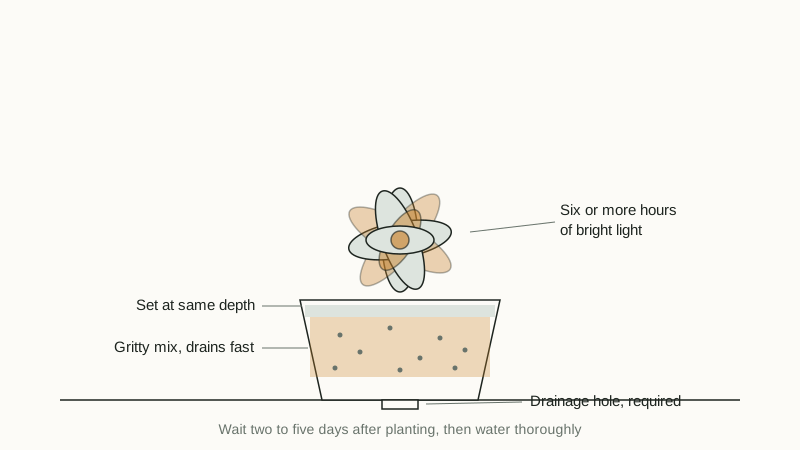
Set out nursery plants, divisions, or spring-sown seed in full sun and sharply drained soil. Penstemon is the largest genus of flowering plants native to North America, with about 280 species spread from alpine rock gardens to southeastern meadows, and they share one requirement: no wet feet, especially in winter. Hardiness runs roughly zones 3 to 9 depending on species, so match the species to your region; eastern types like P. digitalis handle more moisture than western alpines. Lean soil beats rich soil here, because heavy fertility and water grow leggy plants that flop and die young.
Planting details
- Spacing: 12 to 18 inches depending on species
- Hardy in zones 3 to 9, varying widely by species
- Blooms late spring to early summer; deadhead for a longer show
- Lean, well-drained soil; rich feeding makes plants leggy and short-lived
- Western alpine species want gravel mulch; eastern species take ordinary garden loam
- Propagate by seed, summer cuttings, or division
Growing requirements
Full sun and drainage do most of the work. Average to lean soil suits penstemons; gravelly or sandy ground is fine and often better than amended beds. Once established they are drought tolerant and mostly take care of themselves. The killer is winter wet: crowns that sit in cold saturated soil rot out. Eastern woodland species accept light shade and a bit more moisture than the desert and alpine types, so read the species, not just the genus.
Harvesting and care
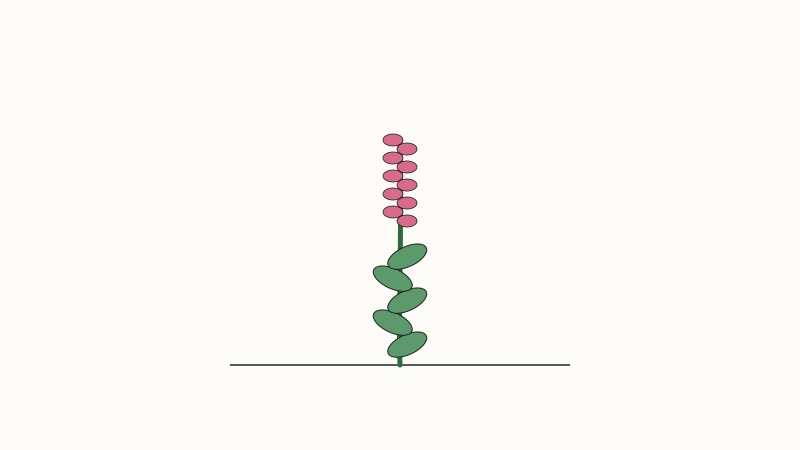
Deadhead spent flower spikes to stretch the bloom, then cut the plant back to its basal rosette once flowering finishes. Many species hold semi-evergreen basal leaves through winter; the blooms themselves are tubular and two-lipped, and the hairy sterile stamen that gives the genus its beardtongue name protrudes from each flower. Treat many penstemons as short-lived perennials, 2 to 5 years, and let a few seed heads ripen so self-sown seedlings replace aging plants. Seed started indoors in late winter or sown in fall often blooms its second year; plants moved or divided in fall or early spring transplant cleanly while they are small.
Common mistakes
- Wet winter soil, which rots the crown faster than cold does
- Rich amended beds and heavy feeding, which grow floppy short-lived plants
- Overhead watering and crowding, which favor fungal leaf spots
- Piling mulch on the crown instead of keeping it open to air
- Expecting a permanent perennial; many species run a few seasons and rely on self-sowing
Companion plants
Beardtongue is a core plant of the prairie and pollinator border: coneflowers, black-eyed Susans, agastache, and butterfly weed share its sun and drainage needs and extend bloom before and after it. The tubular flowers work bumblebees, hummingbirds, and the specialist mason bees that pollinate penstemons. Avoid pairing it with moisture-loving plants whose irrigation it resents.
Varieties worth growing
- P. digitalis 'Husker Red': maroon foliage, pale pink-white flowers; the garden standby
- P. 'Dark Towers': improved Husker Red type with deeper leaf color
- P. digitalis: foxglove beardtongue; tall white species, easy and adaptable
- P. barbatus: scarlet southwestern species; the hummingbird favorite
- P. smallii: southeastern species with a long bloom and purple-veined leaves
- P. x mexicali 'Red Rocks': vigorous hybrid, tall spikes of rose-red bloom
Frequently asked questions
Is penstemon native to North America?
Yes. It is the largest genus of flowering plants native to the continent, with about 280 species, though many garden cultivars are selections or hybrids of those natives.
Why did my penstemon die after two years?
Many species are naturally short-lived. Good drainage and lean soil stretch their lifespan, and letting them self-sow keeps the planting going.
Do hummingbirds use penstemon?
Red and pink tubular species like P. barbatus are classic hummingbird plants. Bumblebees and specialist native bees work the flowers too.
When do I cut back penstemon?
After bloom, down to the basal foliage. Leave a few spent spikes standing if you want self-sown seedlings.