Houseplant growing guide
Tree philodendron
Philodendron bipinnatifidum · Araceae
Sun
Bright indirect
Season
Year-round indoors
Maturity
5 to 10 years
Water
Moderate
Soil pH
5.5 to 6.5
Spacing
Container; 4 to 6 ft wide
By Dandre Noah
Planting tree philodendron
Tree philodendron is a container plant outside zones 9 to 11, and the first thing to plan for is floor space: it is a self-heading, non-climbing plant that reaches 4 to 10 feet tall and even wider across. Pot it in a rich, well-drained mix high in organic matter in a heavy container with drainage holes. Repot in spring only when roots seriously crowd, since mature plants dislike disturbance. The rope-like aerial roots that dangle from the trunk are normal anchors, not a problem to fix.
Planting details
- Repot every 2 to 3 years in spring; mature plants are a two-person job
- Rich organic mix with good drainage; flush the soil occasionally to prevent salt buildup
- A heavy, wide pot keeps the big top from tipping
- Self-heading habit: no climbing pole needed, though the trunk may want a stake
- Outdoors year-round only in zones 9 to 11
Growing requirements
Give it the brightest indirect light you have; it tolerates lower light but pays for it with smaller leaves and fewer lobes, so a dim tree philodendron slowly loses the feature it is grown for. Keep the mix evenly moist but never soggy, and let the top inch or two dry between waterings. It does not handle drought or salt buildup well: NC State Extension advises flushing the soil regularly or watering with rain or distilled water. Temperatures of 60 to 80 F and moderate humidity suit it, and it tolerates normal dry home air.
Harvesting and care
Remove old yellowed leaves at the base and the trunk develops the attractive eye-shaped leaf scars the species is known for. Rotate the pot so the canopy stays centered, and stake the trunk if it starts leaning. Dust the big leaves, which can reach 3 feet or more across when the plant is happy. It rarely flowers indoors, sometimes taking 10 to 15 years to do so, and the bloom is an oddity rather than an attraction.
Common mistakes
- Underestimating its size; this is a floor plant that wants a 6-foot circle, not a shelf
- Letting salts accumulate in the mix instead of flushing the pot
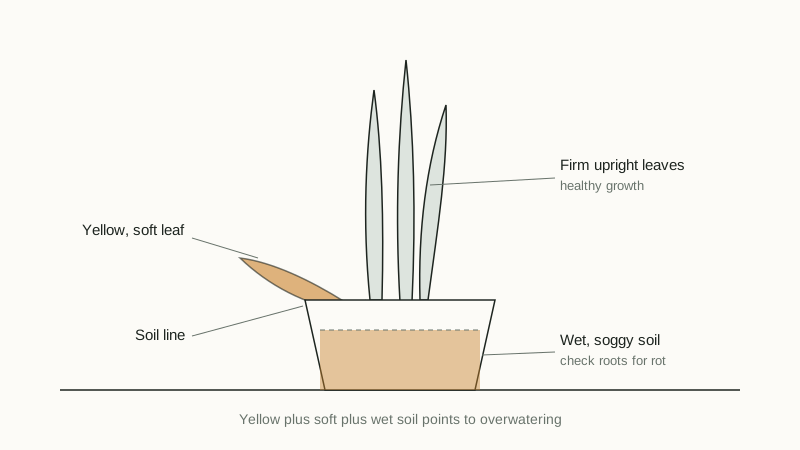
- Low light plus overwatering, which produces small leaves with few or no lobes
- Direct sun, which scorches the foliage
- Cutting off aerial roots, which the plant uses for support and uptake
Companion plants
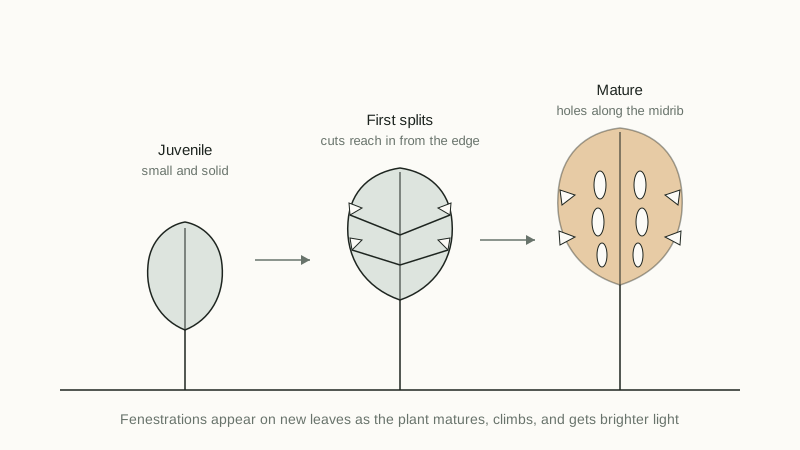
It is constantly confused with monstera, the other plant sold as split-leaf philodendron; philodendron leaves lobe from the edges inward while monstera leaves also develop interior holes. It shares the bright-floor-plant niche with monstera and fiddle-leaf fig. All parts contain calcium oxalate and the sap can irritate skin, so keep it from pets and wear gloves for major pruning.
Varieties worth growing
- Xanadu: compact self-heading form under 3 feet with smaller lobed leaves
- Little Hope: dwarf selection for tabletop and small spaces
- Shangri-La: tight clumping habit with deeply cut leaves
- Species form: the full-size plant, to 10 feet with a marked trunk
Frequently asked questions
Are Philodendron selloum and Philodendron bipinnatifidum the same plant?
Yes. The plant long sold as P. selloum is now correctly named Philodendron bipinnatifidum; for a while it was also moved to the genus Thaumatophyllum, which you may still see on tags.
Is tree philodendron the same as monstera?
No. Both get called split-leaf philodendron, but they are different genera. Tree philodendron leaves lobe at the margins; monstera leaves also form interior holes.
Is tree philodendron toxic to pets?
Yes. All parts contain calcium oxalate crystals that irritate the mouth and digestive tract of cats and dogs, and the sap can irritate skin.
Why are the new leaves small and unlobed?
Not enough light, often combined with wet feet. Move it to a brighter spot and let the top of the mix dry between waterings; new leaves come in larger and more deeply cut.