Houseplant growing guide
Fiddle-leaf fig
Ficus lyrata · Moraceae
Sun
Bright indirect
Season
Year-round indoors
Maturity
Decades
Water
Moderate
Soil pH
5.5 to 6.5
Spacing
Container; 2 to 10 ft
By Dandre Noah
Planting fiddle-leaf fig
Everywhere outside zones 10 to 12, fiddle-leaf fig lives in a pot, and potting or repotting can happen any time of year, though spring recovery is fastest. Go up only one pot size at a time, use a container with drainage holes, and fill it with a well-drained houseplant mix lightened with extra perlite or bark. A heavy pot earns its keep here: a tall fiddle-leaf fig is top-heavy and easy to tip. The milky sap irritates skin, so wear gloves when you prune or take cuttings.
Planting details
- Repot every 2 to 3 years in spring, one pot size up
- Well-drained mix with added perlite or bark fines; drainage holes required
- Heavy pots keep tall plants from tipping over
- Stem cuttings root, but slowly; air layering is faster for big limbs
- Outdoors year-round only in zones 10 to 12
Growing requirements
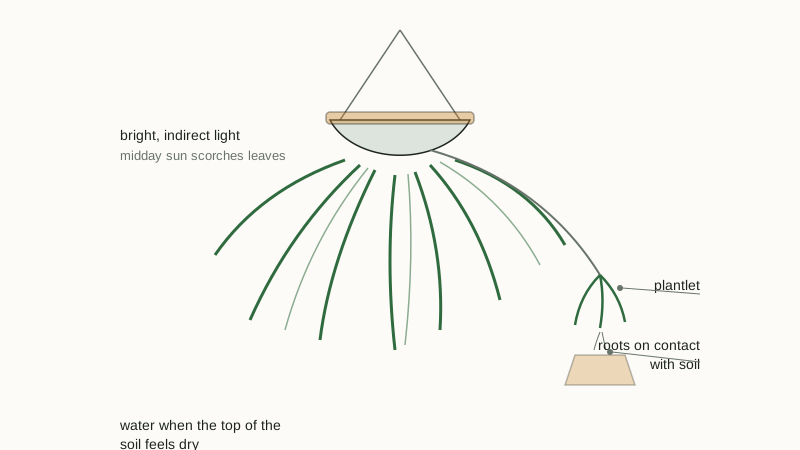
Bright indirect light is the target: right at an east window or a few feet back from a south or west one, with protection from harsh afternoon sun that scorches the leaves. Water when the top 1 to 2 inches of mix dry out, then water thoroughly and let it drain. The key word is consistent, because this fig drops leaves when watering swings between drought and soak. Keep it between about 60 and 80 F and away from heating vents, air conditioners, and drafty doors; NC State Extension notes brown spotting follows temperature swings. Feed at half strength monthly from spring through summer.
Harvesting and care
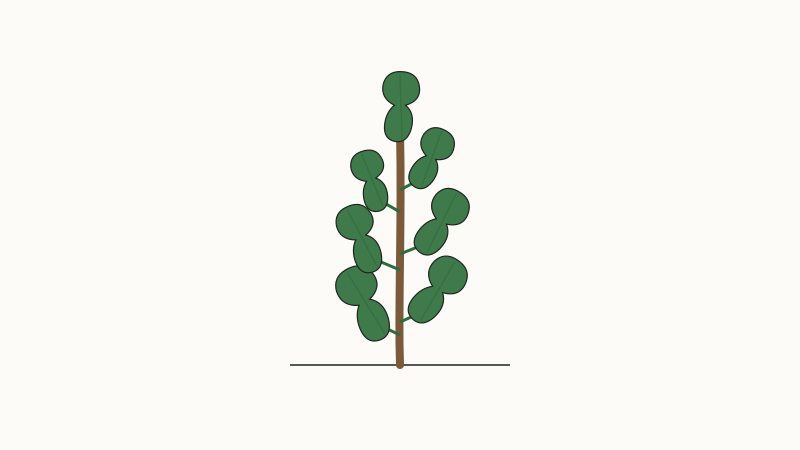
Dust the big leaves every few weeks, since a dusty leaf intercepts less light. To make a single-stem plant branch, cut the top back above a node in spring; two or more shoots usually break below the cut, and the sap that wells up is the part that needs gloves. Rotate the pot a quarter turn weekly so the tree grows straight instead of leaning for the window. Once you find a spot the plant likes, leave it there; fiddle-leaf figs famously sulk and drop leaves after a move.
Common mistakes
- Inconsistent watering, the most common trigger for sudden leaf drop
- Moving it around the house; each relocation can cost it leaves
- Direct afternoon sun, which scorches leaves into bleached patches
- Oversized pots that hold water long after the root ball dries
- Drafts from vents, doors, and air conditioners, which brown the leaf edges
Companion plants
It shares the bright-floor-plant niche with its cousin the rubber plant, plus monstera and tree philodendron, which all want the same filtered light and dry-down watering rhythm. What matters more than neighbors is reach: Ficus lyrata is toxic to cats and dogs, so site it where pets cannot chew the leaves.
Varieties worth growing
- Bambino: dwarf form that stays a few feet tall, good for tabletops
- Compacta: smaller leaves on a plant that tops out around 5 feet
- Little Sunshine: smaller plant with bright violin shaped leaves
- Variegata: cream and green leaves; uncommon and slower growing
Frequently asked questions
Why is my fiddle-leaf fig dropping leaves?
Almost always stress: erratic watering, a cold draft, or a recent move to a different room or light level. Stabilize the spot and the schedule before reaching for fertilizer.
Is fiddle-leaf fig toxic to pets?
Yes. The leaves and milky sap are toxic to cats and dogs if chewed, and the sap can irritate human skin, so wear gloves when pruning.
Can I put my fiddle-leaf fig outside in summer?
Yes, in shade or dappled light, once nights stay above 55 F. Acclimate it gradually over a week or two and bring it back in before fall temperatures drop.
How do I get my fiddle-leaf fig to branch?
Cut the main stem back to just above a node in spring when the plant is actively growing. It typically pushes two or more new shoots below the cut.