Vegetable growing guide
Kale
Brassica oleracea var. sabellica · Brassicaceae
Sun
Full sun
Season
Cool
Maturity
55 to 75 days
Water
Moderate
Soil pH
6.0 to 7.5
Spacing
12 to 18 in
By Dandre Noah
Planting kale
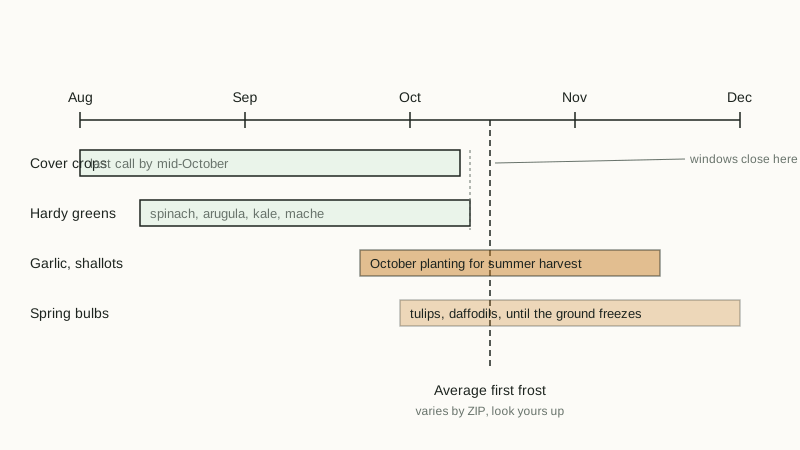
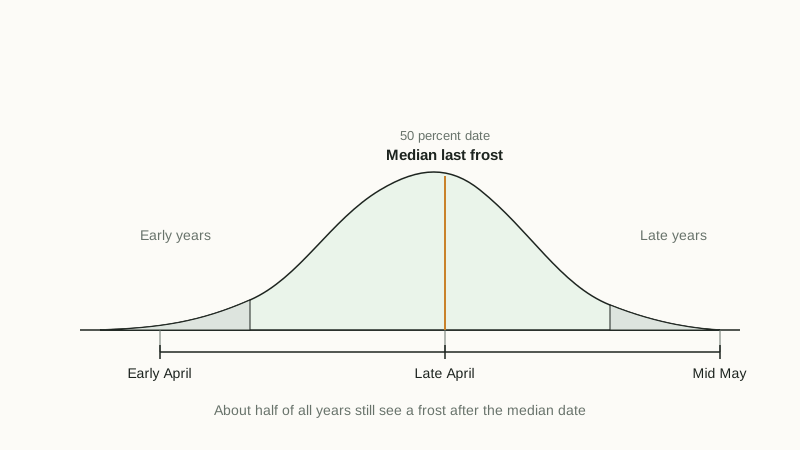
Kale is the most forgiving of the brassicas and works in almost any garden. For a spring or summer crop, sow seed or set transplants 2 to 4 weeks before the last frost, since the plants handle light freezes well once hardened. For a fall and winter crop, sow in mid to late summer; a light frost actually sweetens the leaves by converting starch to sugar. In zones 8 and warmer, fall-sown kale often grows straight through winter and into spring. Where summers are hot, kale slows and turns bitter, so plan it for the shoulder seasons rather than midsummer.
Planting details
- Sow or transplant: 2 to 4 weeks before the last frost for spring; mid to late summer for fall
- Spacing: 12 to 18 inches; wider for large winter types
- Seed depth: about 1/2 inch
- Tolerates light frost and partial shade once established
- Harvest begins when plants have 8 to 10 good leaves
Growing requirements
Kale prefers cool weather, full sun, and fertile, well-drained soil, though it tolerates part shade better than most vegetables. Keep moisture steady, since dry spells make the leaves tough and bitter before the plant wilts. Soil pH 6.0 to 7.5 suits it; clubroot-prone ground does better on the alkaline side. Kale is a moderate feeder, so compost at planting and a light side dressing midway through the season is usually enough. In mild winters it can stand in the garden until needed, which makes it one of the easiest crops to hold.
Harvesting and care
Harvest outer leaves from the bottom of the plant upward, always leaving the central growing tip intact so it keeps making new growth. A single sowing in midsummer can supply leaves from fall through spring in mild climates. In colder zones, plants often survive deep into winter under snow or row cover and resume growth in early spring. Pick after a frost for the sweetest leaves, and expect a second flush of tender growth when days lengthen.
Common mistakes
- Sowing only in spring, which misses the easier and longer fall and winter crop
- Skipping row cover, which leaves young plants open to cabbage worms and aphids
- Cutting the growing tip, which stops new leaf production
- Crowding plants, which produces smaller leaves and traps humidity
- Planting in heat, which makes leaves bitter before they size up
Companion plants
Beets, onions, celery, and most herbs grow well near kale because they do not compete for the same light or fertility window. Keep kale away from strawberries, which compete hard for nutrients, and rotate brassica beds every year so cabbage-family diseases do not build up in the soil.
Varieties worth growing
- Lacinato: flat, dark leaves; the tenderest and best for cooking
- Winterbor: curly and very cold-hardy for fall and winter harvest
- Red Russian: tender, flat leaves that come in early and taste mild
- Scarlet: red-veined type with good frost tolerance
Frequently asked questions
When does kale taste best?
After a light frost. Cold nights convert some of the leaf starch to sugar, which takes the bitterness down noticeably.
How do I keep cabbage worms off kale?
Cover young plants with lightweight row cover before the white butterflies find them. If worms get in, Bacillus thuringiensis (Bt) sprays control them without harming the crop.
Can I cut the whole plant at once?
Yes, but you lose the regrowth. Cutting outer leaves and leaving the center growing tip gives months of harvests from one sowing instead of one big picking.