Flower growing guide
African daisy
Osteospermum x hybrida · Asteraceae
Sun
Full sun
Season
Cool season
Maturity
10 to 14 weeks
Water
Moderate
Soil pH
6.0 to 7.0
Spacing
12 to 18 in
By Dandre Noah
Planting african daisy
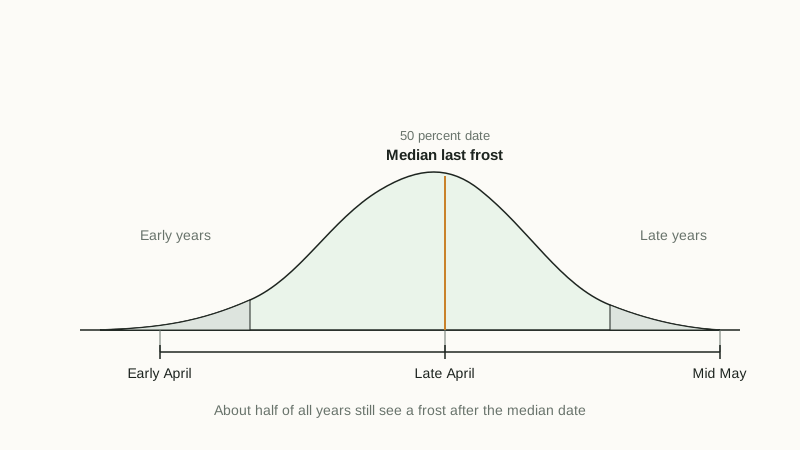
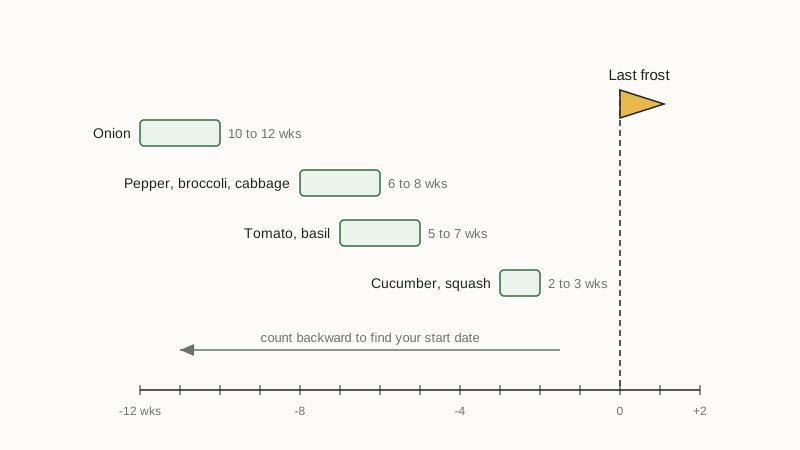
African daisy is a tender perennial most gardeners grow as a cool-season annual. Start seed indoors 6 to 8 weeks before the last frost and move plants outside once frost risk passes, or buy started plants in spring. It survives winter only in zones 10 and 11. In mild-winter, hot-summer regions, fall planting works well: roots establish over the cool months and the plants flower through spring. Its pattern follows temperature more than any other bedding plant. It blooms hard in cool spring and early summer weather, stalls in hot humid midsummer, then often comes back strong for fall. In genuinely hot-summer climates treat it as a spring and fall performer rather than a summer anchor.
Planting details
- Spacing: 12 to 18 inches
- Start indoors: 6 to 8 weeks before the last frost
- Deadhead spent flowers to keep buds coming
- Flowers close at night and on heavily overcast days
- Perennial in zones 10 to 11; grown as an annual elsewhere
Growing requirements
Full sun is non-negotiable: the flowers open fully only in bright light and shut at dusk and on dark days. Give it average, loose, moderately fertile soil that drains fast. Evenly moist ground suits it while it is actively growing, but soggy soil rots the crown, and a brief dry spell once established does no harm, which makes it a candidate for water-conscious beds as long as you do not ask it to bloom through a drought. Where summers run hot and humid, expect the midsummer bloom gap no matter how good the care is.
Harvesting and care
Deadhead religiously: each spent flower left standing slows the next round of buds. When plants stall and go leggy in July heat, cut them back by a third, water, and let them regroup for a second show in fall. In zone 9 and colder, a favorite plant can be overwintered in a pot in a bright, cool, frost-free spot; tip cuttings taken in late summer root readily as insurance. In containers it wants regular water in hot weather and blooms heavily in a pot at the front edge of a sunny patio.
Common mistakes
- Planting in shade, where the flowers refuse to open properly
- Assuming the midsummer bloom pause means the plant is dying; it is heat, not decline
- Keeping the bed or pot soggy, which rots the crown
- Skipping deadheading, which shortens the season
- Expecting summer bloom in the deep South, where it earns its keep in spring and fall
Companion plants
It belongs with the other cool-season crowd: snapdragons, calendula, and pansies share its spring and fall rhythm and similar water needs. Where summers run hot, pair it with zinnias or cosmos that take over the sunny bed once the daisy pauses, so the space never sits empty.
Varieties worth growing
- Serenity and Soprano series: compact seed types for bedding, about 10 to 14 inches
- Wildside: purple rays around a steel-blue center
- 4D types: frilled double flowers that stay open at night
- Akila: uniform seed series that also works for cutting
- Zion: large flowers on taller stems for the cutting garden
Frequently asked questions
Is African daisy a perennial?
Only in zones 10 and 11. Everywhere else it is grown as a cool-season annual, though plants can be overwintered indoors in a bright, cool spot.
Why did my African daisy stop blooming in July?
Heat. It stalls when weather turns hot and humid, then reblooms as temperatures drop. Cut it back by a third and keep it watered.
Why are the flowers closed at night?
That is normal behavior for osteospermum. The petals fold at dusk and on cloudy days and reopen in bright sun.