Houseplant growing guide
Alocasia wentii
Alocasia wentii · Araceae
Sun
Part shade to bright indirect
Season
Year-round where hardy
Maturity
2 to 4 years
Water
Moderate to high
Soil pH
5.5 to 7.0
Spacing
3 to 5 ft
By Dandre Noah
Planting alocasia wentii
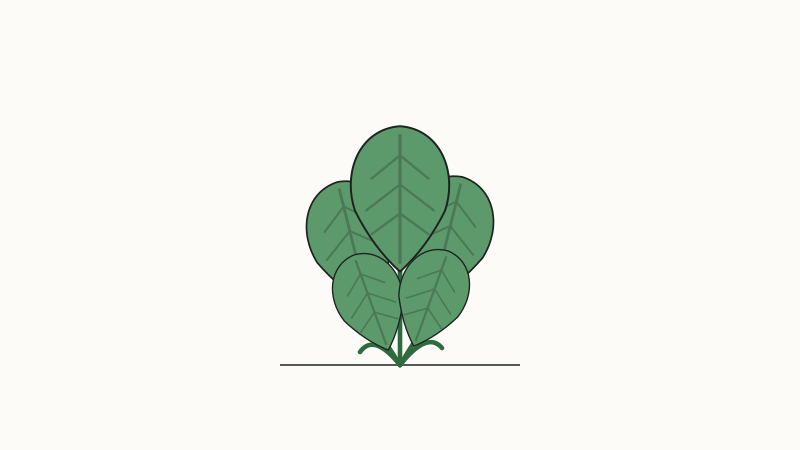
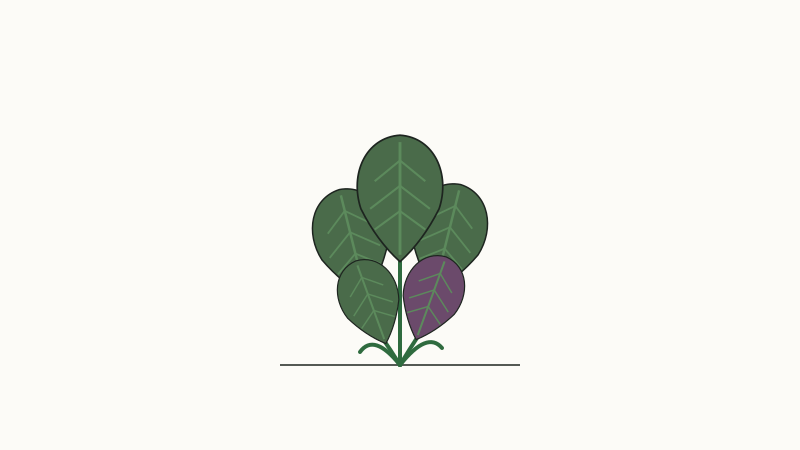
Wentii is the odd one out in the genus for cold tolerance: native to the mountains of New Guinea, it has overwintered in the ground in zone 7b at Juniper Level Botanic Garden, where most alocasias would turn to mush. Plant corms at least 6 inches deep in spring, in moist soil that stays reasonably dry in winter, in part sun to light shade. Indoors it wants a big pot, rich draining mix, and the brightest indirect light you can offer. Divide the tight clumps in spring for new plants, and expect bronze-green leaves whose metallic purple backs show when the wind flips them.
Planting details
- Plant corms 6 inches deep for winter protection in cold zones
- Hardy in the ground in zones 7b to 10 with good winter drainage; mulch heavily at the cold end
- Part sun to light shade outdoors; bright indirect light indoors
- Divide clumps in spring to propagate
- Reaches about 3 feet in a garden, more in ideal conditions
Growing requirements
Outdoors, part sun to light shade and moist, humus-rich soil suit it; indoors it wants bright filtered light and a pot big enough for a clumping plant. Water regularly through the growing season, less in winter, and let garden plants sit on the dry side through cold months since wet frozen ground is what kills hardy alocasias. It is less fussy about humidity than the jewels, and its glossier, thicker leaves handle average household air. Feed through spring and summer like the leafy perennial it is.
Harvesting and care
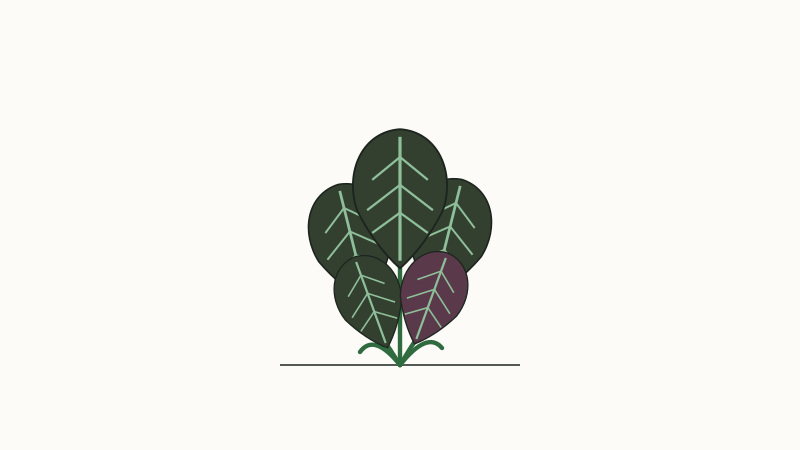
The purple underside is the fun of this plant: site it where a breeze can flip the leaves, or where you walk past often enough to catch the flash. Indoors, expect it to resent low light and drop a leaf or two while it adjusts. In cold zones, let frost take the top and trust the deeply planted corm to return; in a pot, bring it in before the first freeze. It grows slowly for an elephant ear. All parts are toxic to pets.
Common mistakes
- Planting the corm too shallow in cold zones; 6 inches deep buys it winter insurance
- Wet, soggy winter ground, which rots the corm even where it is hardy
- Expecting jewel-alocasia fussiness; it tolerates conditions that would kill most of its relatives
- Deep shade, where the bronze tone and purple backs dull
- Giving up on a frost-bitten plant in spring; the corm often resprouts late
Companion plants
In a border it pairs with other half-hardy tropicals like banana and can hold its own against hardy shade plants like hosta and fern, which fill in around it while it sizes up. Indoors, group it with cast iron plant, another species that forgives cool rooms. Keep it away from paths where pets might grab a leaf.
Frequently asked questions
Is alocasia wentii really hardy?
For an alocasia, yes. Juniper Level Botanic Garden in North Carolina reports it overwintering outdoors in zone 7b when planted deep with dry winter soil. Everywhere colder should treat it as a container plant.
Is alocasia wentii toxic?
Yes. Like all alocasias it contains calcium oxalate crystals and is toxic to pets and people if chewed.
Why are the undersides of wentii leaves purple?
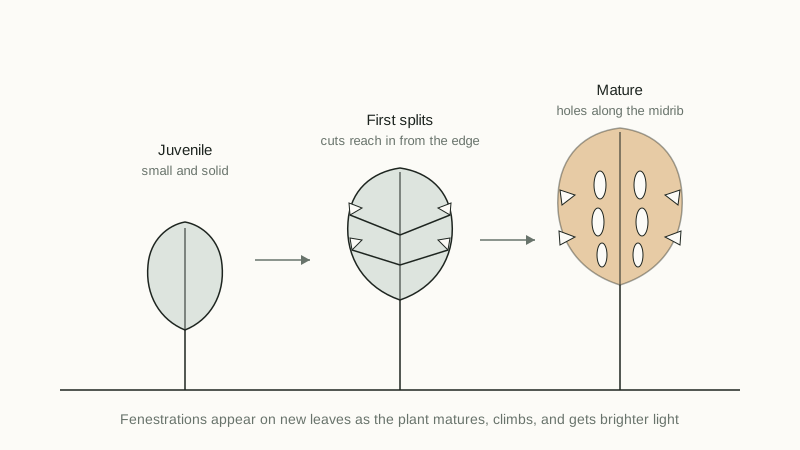
That is its signature trait, a metallic purple to bronze underside that flashes when leaves move. New leaves may not show it strongly until the plant matures.
How big does alocasia wentii get?
About 3 feet tall and wide in typical garden or container conditions, though well-sited plants in warm climates can reach considerably more.