Houseplant growing guide
Alocasia zebrina
Alocasia zebrina · Araceae
Sun
Bright indirect to part sun
Season
Year-round indoors
Maturity
2 to 5 years
Water
Moderate
Soil pH
5.5 to 6.5
Spacing
2 to 3 ft
By Dandre Noah
Planting alocasia zebrina
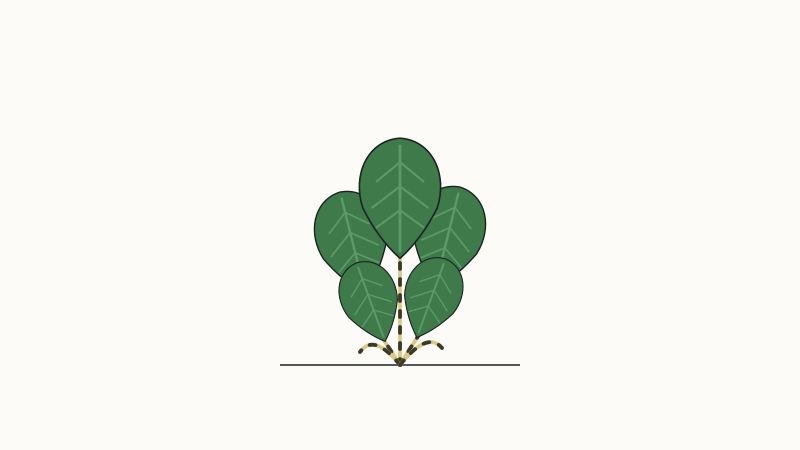
Zebrina comes from the Philippines and, unusually, the show is the stems: each petiole is banded in cream and dark green-black like a zebra's coat, while the arrowhead leaves themselves are a plain glossy green. Pot it in a loose, well-draining aroid mix in a snug container and repot in spring; it grows from a rhizome that produces offsets you can divide for new plants. It tolerates more direct light than most alocasias once acclimated, though gentle is still safer. Keep it above 60 F; outdoors it is for zones 10 to 12 only.
Planting details
- Snug pot, loose aroid mix; the rhizome rots in wet, dense soil
- Divide rhizome offsets in spring to propagate
- Tolerates some direct sun after acclimation, more than most alocasias
- Hold above 60 F; cold triggers its famous leaf-dropping
- Grows about 2 to 3 feet tall indoors
Growing requirements
Bright light keeps the petiole banding crisp and the plant compact; it is one of the few alocasias that acclimates to a couple of hours of direct sun, though it still prefers filtered light indoors. Water when the top inch of mix dries, keeping it evenly moist in growth. Humidity in the 50 to 60 percent range is fine. Feed monthly at half strength in spring and summer. The plain leaves mean all the drama is below them, so site it where the banded stems are visible rather than hidden in a cluster.
Harvesting and care
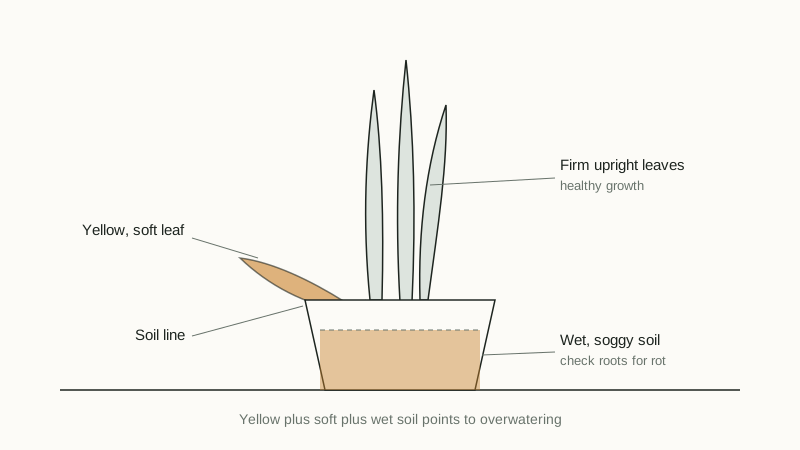
The RHS notes that zebrina drops leaves as it makes way for new ones, and it does this more freely than most: a leaf or two yellowing each month is normal turnover, not failure. What is not normal is several at once, which points to cold or soggy mix. Spider mites love the smooth undersides, so wipe the blades regularly. Stand it on a shelf edge or a pedestal where the striped petioles show; burying them inside a plant cluster wastes the plant's best feature. All parts are toxic to pets.
Common mistakes
- Hiding the striped stems inside a crowded plant grouping
- Reading normal monthly leaf drop as a disease and changing everything
- Overwatering in winter when growth stalls
- Sudden exposure to full sun; acclimate gradually or the blades scorch
- Cold below 60 F, which makes it shed leaves fast
Companion plants
Because the petioles are the attraction, give it contrast rather than competition: a low mat of nerve plant or a small peperomia at its base leaves the zebra stems on display. Stingray is its natural shelfmate, sharing the mottled-stalk trait on a bigger scale. Keep the group out of reach of cats, which find dangling striped stems irresistible.
Frequently asked questions
Why does my alocasia zebrina keep losing leaves?
Zebrina drops older leaves readily as new ones emerge, and even the RHS notes this is normal. Heavy simultaneous leaf drop points to cold or overwatering instead.
Is alocasia zebrina toxic?
Yes. All parts contain calcium oxalate crystals, toxic to cats, dogs, and people.
Is zebrina the plant with zebra-striped leaves?
Not quite. The zebra pattern is on the petioles, the leaf stalks. The leaves themselves are plain glossy green.
Can alocasia zebrina take direct sun?
More than most alocasias, yes, if acclimated gradually. It still prefers bright filtered light, but a little gentle direct sun is tolerated.