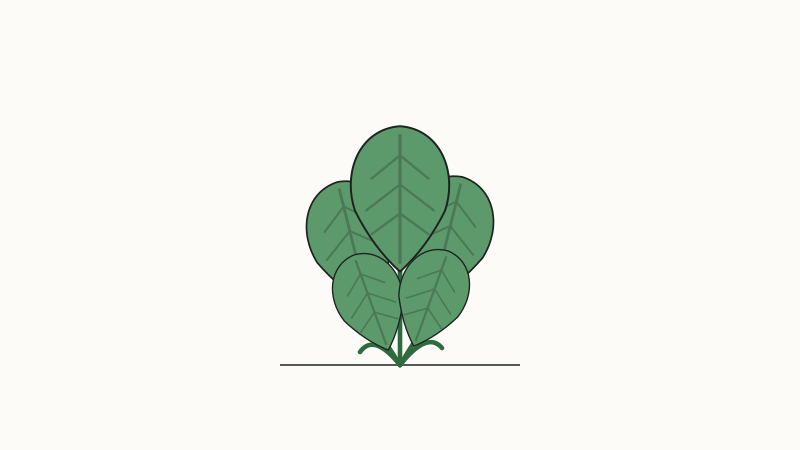
Houseplant growing guide
Alocasia odora
Alocasia odora · Araceae
Sun
Part shade to bright indirect
Season
Year-round in frost-free climates
Maturity
1 to 2 years
Water
High
Soil pH
5.6 to 7.0
Spacing
3 to 5 ft
By Dandre Noah
Planting alocasia odora
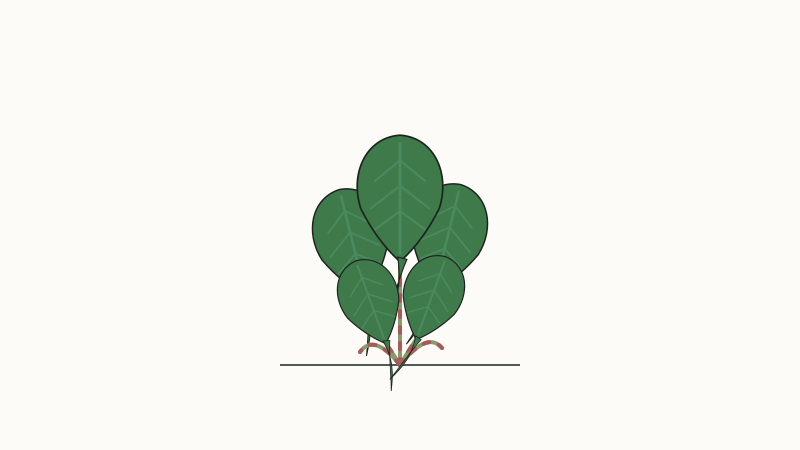
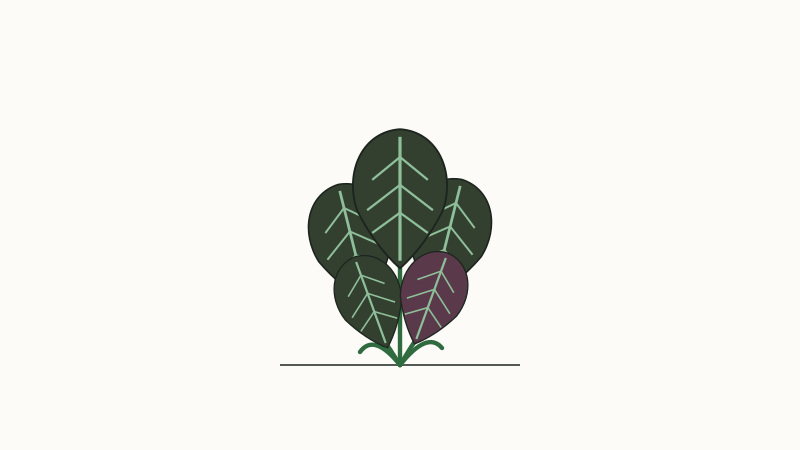
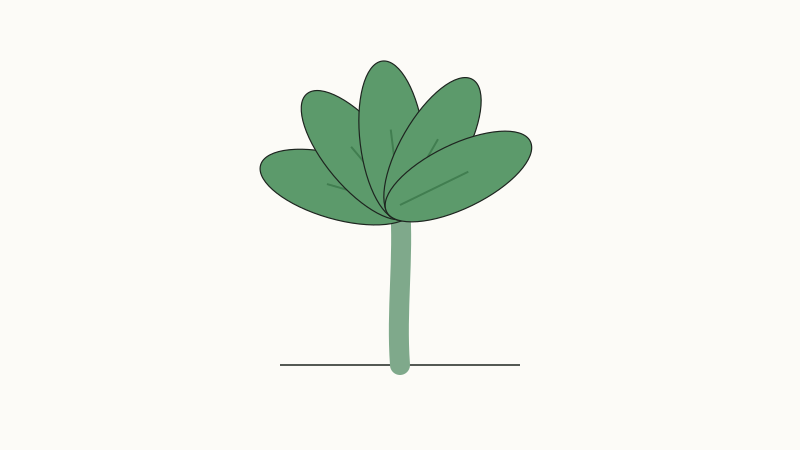
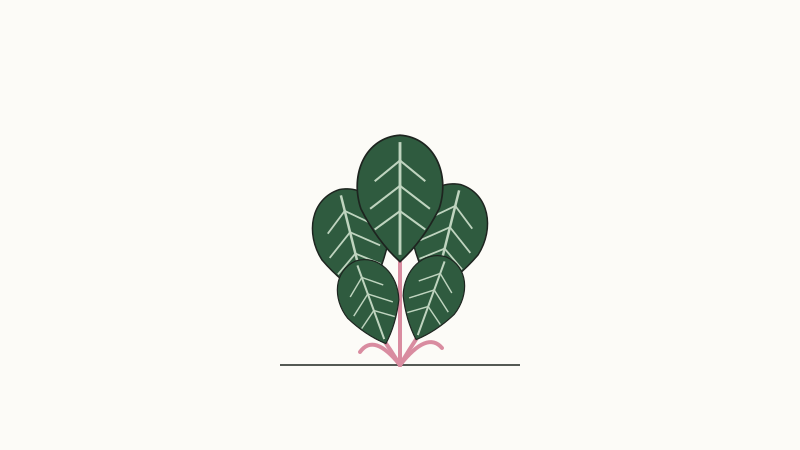
Unlike the jewel alocasias, odora is a landscape plant: it forms a thick upright trunk over time and wants real room, reaching 4 to 6 feet in a season or two. Plant divisions or small plants after the last frost in rich, moist, well-drained soil, in light shade or dappled sun, and keep them watered through summer. It overwinters in the ground in zones 9 to 11 and resprouts from the corm after a light frost in 8b with mulch; elsewhere, pot it or lift the corm dry for winter. In pots, give it the largest container you can move, and divide the basal shoots in spring for new plants.
Planting details
- Plant after last frost in moist, humus-rich soil with afternoon shade
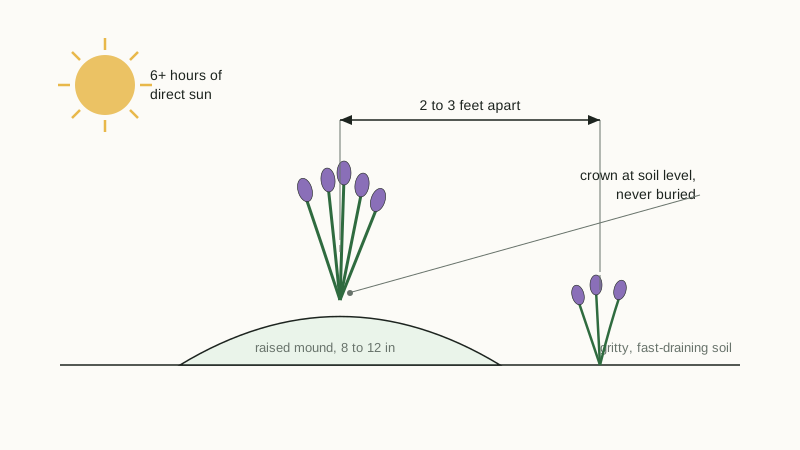
- Space 3 to 5 feet apart; a single plant becomes a shrub-sized clump
- Hardy in the ground in zones 9 to 11; mulched corms survive light frosts in 8b
- Divide basal shoots or corm sections in spring to propagate
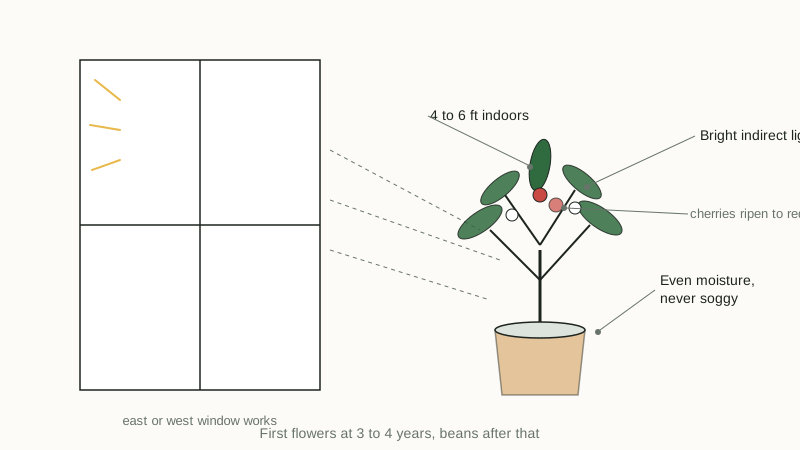
- Indoors it wants the brightest indirect light you have and a big pot
Growing requirements
Odora takes more sun than the forest-floor species: morning sun and dappled light through the day keep the big paddles upright and tight, while deep shade leaves it lanky. It is a heavy feeder and drinker during the growing season, so water generously and feed every couple of weeks in summer, an elephant ear's appetite rather than a jewel plant's. Average humidity is fine outdoors; indoors it wants 50 percent or better. The specific epithet is the hook: when it blooms, the small spathes release a sweet fragrance at night, unusual in the genus.
Harvesting and care
This is one of the few alocasias you will actually see flower, usually on mature plants in summer. Trim spent leaves at the base and expect fast replacement growth through the warm months. In zones 8b to 9 the top dies back after a frost but the corm survives under mulch; in colder zones, lift and store the corm dry and cool. It has naturalized in parts of Florida, so keep it out of natural waterways and wetlands. Every part contains calcium oxalate: in Southeast Asia the stems are cooked as a vegetable, but raw plant material is genuinely harmful and this page does not recommend eating it.
Common mistakes
- Planting it in dry, thin soil; it is one of the thirstier alocasias
- Leaving it to freeze; lift the corm or mulch heavily outside zones 9 to 11
- Cramping a vigorous clump in a small pot, which stalls it fast
- Assuming its kitchen use makes it safe raw; uncooked tissue causes severe mouth and throat burning
- Planting beside ponds or streams where it can escape
Companion plants
In the garden, odora pairs with hosta and fern in the same moist, shaded border, and it gives the tropical backdrop that banana delivers at larger scale. Keep it away from waterways, since alocasias spread in wet ground, and away from paths where pets or children can bite a tempting stem. In containers it sits well with cast iron plant, which tolerates the same bright shade.
Frequently asked questions
Is alocasia odora edible?
The stems and leaves are cooked as a vegetable in parts of Southeast Asia, but only after processing that breaks down calcium oxalate crystals. Raw material causes severe burning and swelling; do not eat it unprepared, and treat it as ornamental only in a home garden.
Does alocasia odora really flower?
Yes, on mature plants, and the green-and-cream spathes are fragrant at night, which is where the name night-scented lily comes from.
Can alocasia odora survive winter outside?
In zones 9 to 11 it overwinters in the ground. In zone 8b a heavy mulch usually carries the corm through; colder zones should lift and store it like a dahlia.
Is alocasia odora invasive?
It has naturalized in parts of Florida, according to the University of South Florida Plant Atlas. Keep it in beds or pots and away from natural waterways.