Flower growing guide
Angelonia
Angelonia angustifolia · Plantaginaceae
Sun
Full sun
Season
Warm
Maturity
90 to 110 days
Water
Moderate
Soil pH
5.5 to 6.5
Spacing
9 to 12 in
By Dandre Noah
Planting angelonia
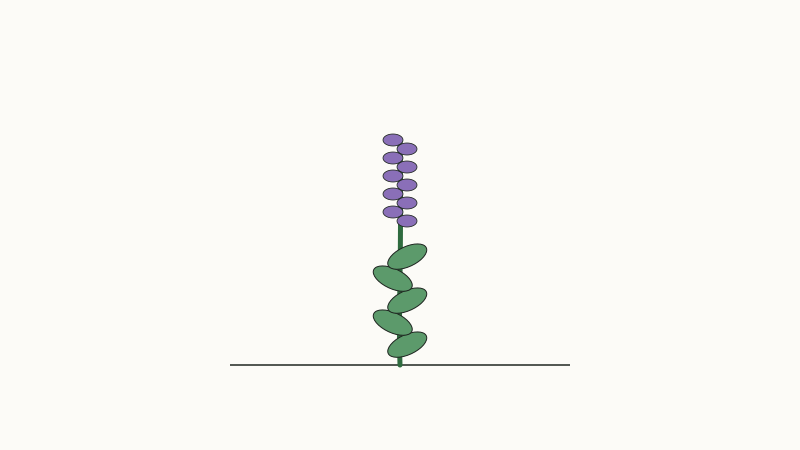
Angelonia, the summer snapdragon, is a tender perennial hardy only in zones 9 to 11, grown as a warm season annual everywhere else. From seed, start indoors 10 to 12 weeks before your last frost date: the seed is dust fine, so surface sow, keep moist, and be patient through slow early growth. Most gardeners skip this and buy transplants. Set plants out after all frost danger when the soil is warm, spacing 9 to 12 inches apart; cold soil stalls them badly. Plants reach 12 to 18 inches tall and bloom from planting until frost with no deadheading needed. In the Deep South and Southwest it is one of the few bedding plants that blooms harder in August than May.
Planting details
- Start seed indoors 10 to 12 weeks before last frost, or buy transplants
- Transplant after frost into warm soil; cold ground stalls it
- Spacing: 9 to 12 inches; height 12 to 18 inches
- Seed depth: surface sow; the fine seed needs light to germinate
- Self cleaning: no deadheading needed for continuous bloom
Growing requirements
Full sun and warmth are the two needs, and angelonia wants both in quantity. It tolerates the heat and humidity that shut down true snapdragons, which is the entire reason to grow it: where larkspur and snapdragons collapse by June, angelonia keeps spiking through September. Soil should be fertile, moist but drained, slightly acidic around pH 5.5 to 6.5. It has real drought tolerance once rooted, though steady moisture produces heavier bloom. In rich, well watered beds it can grow lush enough to sprawl; leaner conditions keep it upright. Container plants dry faster and want regular water and light feeding through summer.
Harvesting and care
There is almost no deadheading: the spikes shed their own spent florets and keep flowering, which is the plant's great selling point for low effort beds. If plants stretch or tire by midsummer, shear them by a third and they return bushier in two weeks. Water containers regularly and feed lightly every few weeks; in ground plants manage on rainfall in all but drought. Aphids and powdery mildew show up in crowded, shaded, or stressed plantings, and the main disease risk is phytophthora root rot in wet, poorly drained ground, which is why drainage and sun spacing matter more than anything else. In zones 9 to 11 it survives mild winters as a subshrub.
Common mistakes
- Setting transplants out into cold spring soil, which stalls them for weeks
- Too much shade, which produces thin, flower poor plants
- Wet, poorly drained soil, which invites the phytophthora it is prone to
- Deadheading religiously; the plant self cleans and needs no such effort
- Starting seed too late; it needs the full 10 to 12 indoor weeks
Companion plants
Angelonia's upright spikes fit the middle of sunny beds and the thriller role in containers, pairing with heat lovers like lantana, zinnia, and petunia that share its sun and moderate water needs. It is the hot climate answer to snapdragons and often planted alongside them in spring, taking over exactly when snapdragons quit in the heat. Keep it out of shady, overwatered corners where it rots, and do not crowd it among thirsty, floppy annuals that invite mildew.
Varieties worth growing
- Angelface series: the standard tall vegetative line in blue, pink, and white
- Serena and Serenita: seed raised series with excellent phytophthora resistance
- Archangel: compact series noted for strong root rot resistance
- AngelMist: a trailing, spreading habit for baskets and bed edges
Frequently asked questions
Is angelonia a perennial or an annual?
A tender perennial in zones 9 to 11, grown as an annual everywhere colder. In mild climates it comes back as a small subshrub.
Does angelonia need deadheading?
No. It is self cleaning, dropping spent florets and blooming continuously from planting to frost with no deadheading at all.
Why did my angelonia die back in summer?
The likely culprit is wet soil and phytophthora root rot, its main weakness. Plant in drained ground, and choose resistant series like Archangel or Serena.
What is the difference between angelonia and snapdragon?
Angelonia blooms through heat and humidity that stop true snapdragons, needs no deadheading, and comes back perennial only in frost free zones.