Native plant growing guide
Arrowwood viburnum
Viburnum dentatum · Viburnaceae
Sun
Full sun to part shade
Season
Deciduous shrub
Maturity
5 to 10 ft in several years
Water
Low once established
Soil pH
5.0 to 7.5
Spacing
6 to 10 ft
By Dandre Noah
Planting arrowwood viburnum
Plant in spring or fall in full sun to part shade. In the wild it grows along streambanks and in moist woods, but it adapts to almost any soil including clay, sand, shallow rock, and ground that floods or dries in turn. Hardy in zones 2 to 8, it is among the most adaptable native shrubs. Give it room: mature plants run 5 to 10 feet tall and equally wide, and suckers expand the clump further if allowed. For berries, plant two genetically different plants, not two of the same cultivar, because a single clone will not set fruit.
Planting details
- Spacing: 6 to 10 feet; closer for a hedge that knits together
- Hardy in zones 2 to 8
- Blooms on old wood; prune right after the spring flowers
- Needs a genetically different partner to set berries
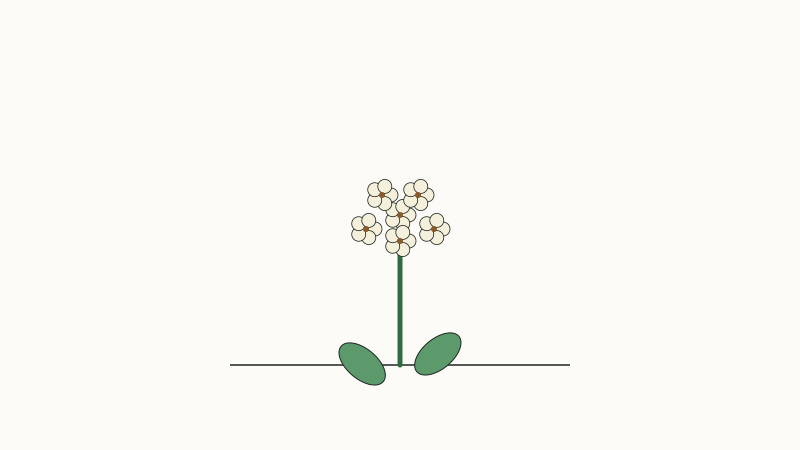
- Creamy white flat flower clusters in spring; blue-black drupes in late summer
Growing requirements
Full sun gives the best flower and fruit set, but it still blooms respectably in part shade, one reason it is so useful at woodland edges. Soil is nearly irrelevant to it: moist to occasionally dry, acid to neutral, clay to sand. Water through the first two seasons; after that it handles drought and brief flooding without help. No fertilizer is needed in average soil. It is rated deer resistant, though desperate deer will browse the twigs in winter.
Harvesting and care
Prune immediately after flowering if shaping is needed; the shrub sets next year's buds on old wood, so late-season pruning costs you bloom and fruit. Suckers push up around the base over time: leave them for a naturalized thicket, mow or dig them to keep a single specimen, or pot them up since they transplant easily. Rejuvenate an overgrown plant by removing the oldest stems at the base in early spring. The main pest to watch is viburnum leaf beetle, which can skeletonize leaves; handpick or treat it early.
Common mistakes
- Planting a single cultivar and expecting berries; fruit needs two different clones
- Pruning in summer or fall, which removes next year's flower buds
- Siting it in deep shade, where bloom and berry set drop off
- Letting suckers run where a tidy shrub was wanted
- Ignoring viburnum leaf beetle larvae until the leaves are skeletonized
Companion plants
A natural anchor for the native shrub border beside elderberry and ninebark, which take the same adaptable, moisture-tolerant sites. Underplant with woodland perennials that share part shade and moist soil. Its flat spring bloom feeds native bees and it is a larval host for the spring azure butterfly, while the late-summer drupes feed songbirds, grouse, and wild turkeys.
Varieties worth growing
- Blue Muffin ('Christom'): compact at 4 to 6 feet for smaller beds
- Chicago Luster: 10 feet, glossy leaves, heavy flower and fruit
- Northern Burgundy ('Morton'): tall, extra fruit, burgundy fall color
- Moonglow: rounded habit, domed white flower heads
- Autumn Jazz ('Ralph Senior'): vase-shaped, lace-cap-like flowers
Frequently asked questions
Why does my arrowwood viburnum never get berries?
It needs a genetically different plant nearby to pollinate. Two of the same cultivar are clones and will not set fruit.
Is arrowwood viburnum deer resistant?
It is rated deer resistant, but no shrub is deer proof; hungry deer will browse the twigs in winter.
Can arrowwood viburnum grow in wet soil?
Yes. It is native to streambanks and moist woods and tolerates periodic flooding, which makes it useful at rain garden edges.
When should I prune arrowwood viburnum?
Right after the spring bloom finishes. It flowers on old wood, so pruning later removes next year's buds.