Flower growing guide
Bells of Ireland
Moluccella laevis · Lamiaceae
Sun
Full sun
Season
Annual
Maturity
Blooms July to September
Water
Moderate
Soil pH
6.0 to 7.5
Spacing
9 to 12 in
By Dandre Noah
Planting bells of ireland
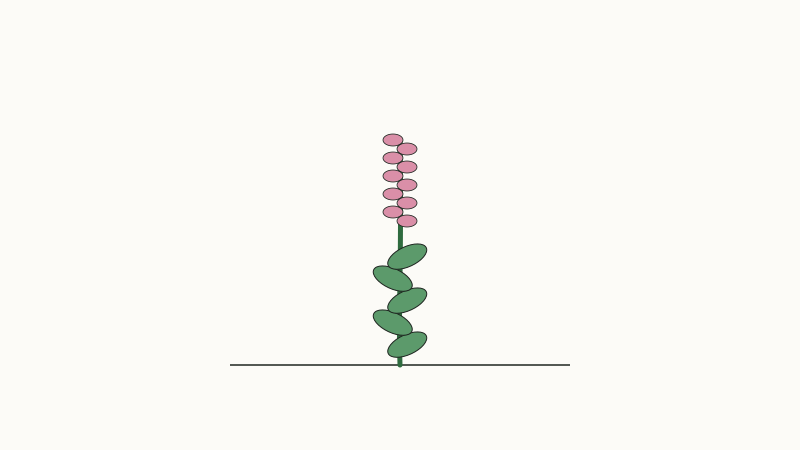
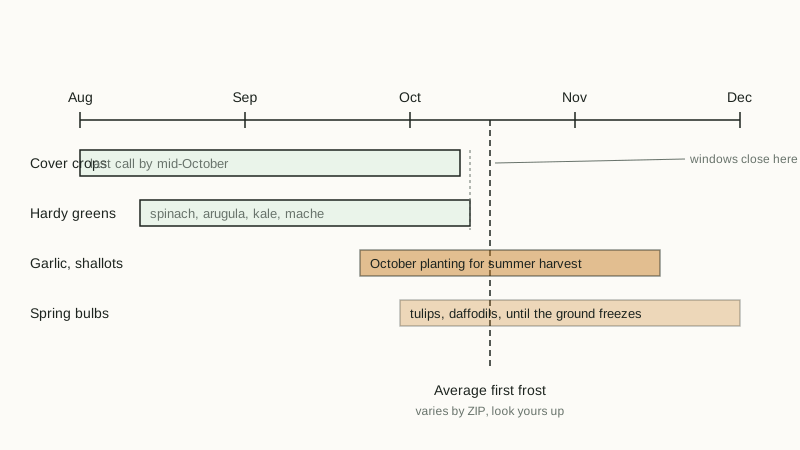
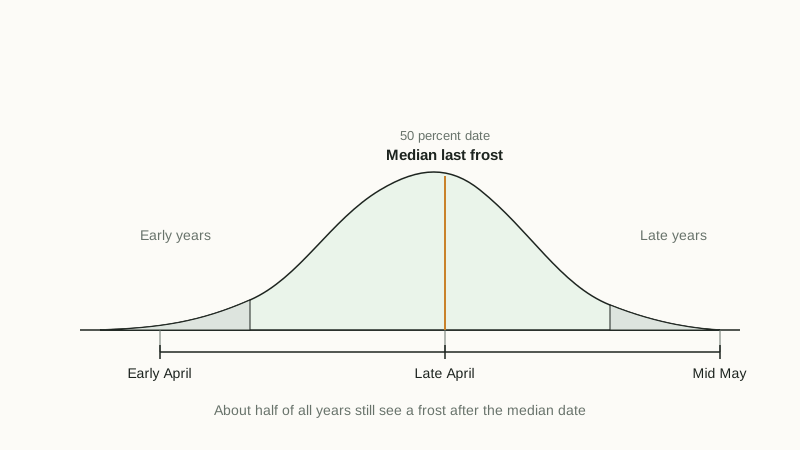
Despite the name, bells of Ireland comes from the eastern Mediterranean and Caucasus, not Ireland; the name most likely refers to the green color. It is a half-hardy annual in the mint family, 2 to 3 feet tall, grown for spikes of cup-shaped green calyces that hide tiny fragrant white flowers. Direct sow a few weeks before the last frost into loose, well-drained soil, covering seed only about 1/4 inch deep; germination is erratic over two to four weeks and improves after a week or two of refrigerated stratification. In mild-winter climates, sow in fall for earlier spikes. NC State Extension notes indoor starts 8 to 10 weeks before frost are possible, but plants do best sown in place, and hot, humid summers are this plant's real enemy.
Planting details
- Sow: a few weeks before the last frost, or in fall where winters are mild
- Seed depth: about 1/4 inch; germination is slow and erratic, chilling helps
- Spacing: 9 to 12 inches
- Height: 2 to 3 feet; the stems carry small sharp thorns
- Stems are square, as in other mint family plants; blooms July to September
Growing requirements
Full sun and cool summers are the ideal, since heat and humidity stall the plants and rough up the bells. It wants well-drained, consistently moist, moderately fertile soil and tolerates poor soil and light shade if drainage is good. It is not a heavy feeder; NC State suggests a fertilizer application can push larger spikes, but rich soil and crowding produce soft growth that sprawls. The green bells hold their color into late summer before aging to beige.
Harvesting and care
Stake early or set grow-through supports, because the 2 to 3 foot spikes sprawl once they load up, and wear gloves for the small stem thorns. Cut stems for fresh arrangements at any stage; for dried flowers, cut before the seeds ripen and hang the stems in bunches somewhere dry with good air circulation, where they hold their shape and fade to a pale straw color. Cut before seed formation if you do not want self-sown volunteers next year, or leave a few spikes to ripen if you do.
Common mistakes
- Sowing too late, which pushes bloom into the worst summer heat
- Expecting it to thrive in hot, humid summers; it is a cool-summer plant
- Skipping support, which leaves long spikes sprawling by July
- Handling stems bare-handed; the small thorns are sharper than they look
- Waiting for the white flowers; the show is the green calyces around them
Companion plants
This is a cutting garden plant first, so pair it with other cut-and-dry annuals that share full sun and average water: zinnia, cosmos, cornflower, and snapdragon fill the same bed and the same bucket. The vertical green spikes are a florist's foil next to almost any color. In the vegetable garden it earns space as a pollinator draw, since bees work the small flowers inside the bells.
Varieties worth growing
- Species form: the standard 2 to 3 foot spikes sold as Bells of Ireland
- 'Pixie Bells': a shorter selection around 18 to 24 inches for smaller beds
Frequently asked questions
Are the green bells the flowers?
No. The showy green cups are calyces. The true flowers are tiny, fragrant, white blooms sitting inside each bell, easily missed but popular with bees.
Is bells of Ireland actually from Ireland?
No. It is native to the eastern Mediterranean through the Caucasus. The name most likely refers to the green color of the bells, per NC State Extension.
How do I dry bells of Ireland?
Cut stems before the seeds ripen and hang them in small bunches in a dry, airy spot out of direct sun. The bells hold their shape and fade to a straw color that lasts all winter.
Why did my bells of Ireland seeds not sprout?
Germination is naturally slow and erratic. Sow early into cool soil, barely cover the seed, and chill seed in the refrigerator for a week or two first for a better stand.