Houseplant growing guide
Peperomia
Peperomia obtusifolia · Piperaceae
Sun
Bright indirect
Season
Year-round indoors
Maturity
2 to 3 years
Water
Low to moderate
Soil pH
6.0 to 7.0
Spacing
8 to 12 in
By Dandre Noah
Planting peperomia
Peperomia obtusifolia, sold as baby rubber plant, stays a foot or two tall and wide and is happiest slightly rootbound, so pot it small and repot only every few years when roots demand it. Use a well-drained houseplant or cactus mix in a pot with drainage holes; the thick, water-storing leaves mean the plant handles a dry mix far better than a wet one. Indoors it grows year-round in bright indirect light, though the solid green form tolerates lower light for months. Outdoors it is hardy only in zones 10 to 12, and it summers happily in deep shade on a sheltered porch.
Planting details
- Pot small; peperomias can stay in the same container for several years
- Well-drained houseplant or cactus mix in a pot with drainage
- Water when the top inch of mix dries; thick leaves shrivel slightly when truly thirsty
- Propagates easily from a stem cutting or a single leaf with its stalk
- Hardy outdoors only in zones 10 to 12
Growing requirements
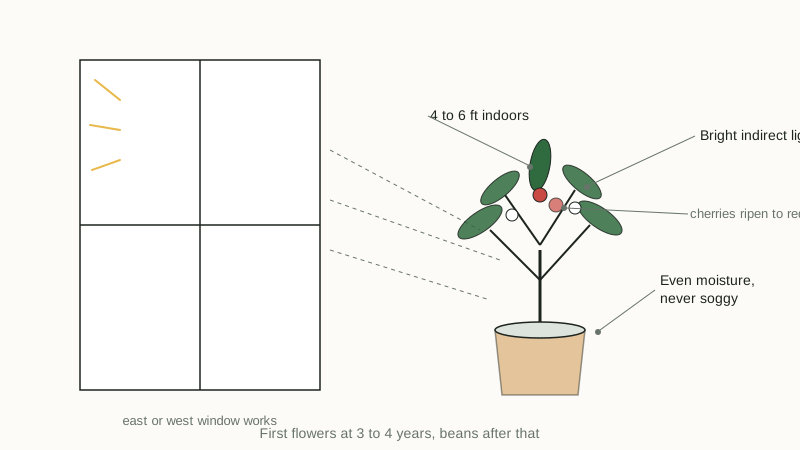
Bright indirect light from an east or south window keeps growth compact and keeps variegated forms patterned; direct sun scorches the fleshy leaves. Plain green types tolerate low light far better than the cream-edged cultivars, which fade to green in dim rooms. Water thoroughly, then let the mix dry before watering again, and expect it to sulk in a drafty or bone-dry spot. The thick leaves store enough water that missing a watering by a week is a non-event, which is why peperomia survives offices and vacations better than most foliage plants. Medium to low humidity is fine, and feeding is light: a diluted fertilizer a few times in spring and summer, nothing in winter.
Harvesting and care
The upright cream flower spikes look like rat tails and can be pinched off so the plant puts energy into leaves. Prune a stem just above a leaf node to make the plant branch and stay bushy, and wipe the glossy leaves when dust builds up. Mealybugs, spider mites, and whiteflies are the occasional pests, mostly on plants already stressed by overwatering. Yellowing, dropping leaves almost always mean too much water or a cold draft, never thirst. Peperomia is non-toxic to cats and dogs, and it propagates so easily that one plant becomes a shelf of them: root a cutting in water and pot it up when roots reach an inch.
Common mistakes
- Overwatering, which yellows leaves, drops them, and rots the roots
- An oversized pot that holds wet mix around the roots for weeks
- Direct sun, which scorches the thick leaves
- Long drafts or cold below about 50 F
- Frequent repotting; it prefers to stay snug for years
Companion plants
Peperomia fits the tabletop tier of a houseplant group with nerve plant and small calatheas, sharing their preference for indirect light while drying out faster than either. It pairs just as well with fellow forgive-and-forget plants like jade plant and cast iron plant, provided the peperomia gets the brighter edge of the grouping. Its compact size and pet safety also make it a natural desk plant where a trailing pothos would get in the way.
Varieties worth growing
- Variegata: green leaves edged in cream; needs brighter light to hold the pattern
- Minima: smaller and denser, a tidy desk plant
- Alba: creamy white new growth that greens up as leaves mature
- Gold Tip: marbled leaves with gold coloring at the tips
Frequently asked questions
Is peperomia safe for cats and dogs?
Yes. Peperomias are listed as non-toxic to cats and dogs by the ASPCA, and Clemson Extension includes them on its pet-safe houseplant list.
Why is my peperomia dropping leaves?
Almost always too much water or a cold draft. Let the mix dry deeper between waterings and move the pot away from doors and vents.
Is peperomia a succulent?
It behaves like one. The thick, waxy leaves store water, which is why the plant tolerates dry mix so well and rots so fast in wet mix.
Can I grow a new plant from one leaf?
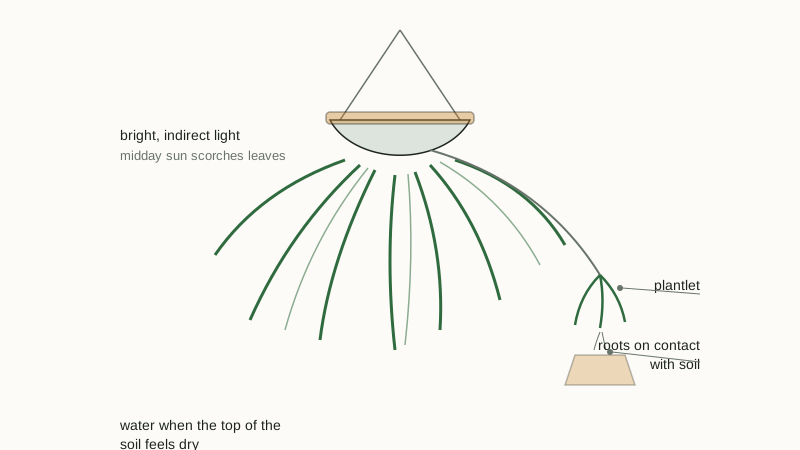
Yes. Root a leaf with an inch of its stalk in moist mix or even in water, and new plantlets form at the base of the stalk.