Houseplant growing guide
Alocasia azlanii
Alocasia azlanii · Araceae
Sun
Bright indirect
Season
Year-round indoors
Maturity
2 to 5 years to full size
Water
Moderate to high
Soil pH
5.5 to 6.5
Spacing
Container; about 1 ft
By Dandre Noah
Planting alocasia azlanii
Grow it in a light, airy mix that holds moisture without going heavy: potting soil or coco coir with plenty of perlite and some orchid bark gives the roots both air and water. It stays compact, roughly a foot tall and wide per the Royal Horticultural Society, so a small pot is fine, and repot in spring only when roots circle the drainage holes. Warmth matters more than it does for most houseplants: keep it above about 60 F, ideally 65 to 75, and away from drafts, heaters, and cold glass. This is a plant for a bright bathroom or a spot a few feet back from an east window, where the light is strong but never direct.
Planting details
- Airy mix: potting soil with perlite and bark
- Bright indirect light only; direct sun scorches
- Keep above about 60 F; it stalls below that
- Wants high humidity, around 60 percent
- Toxic if eaten and the sap irritates; keep from pets
Growing requirements
Bright filtered light keeps the metallic sheen and the pale-veined contrast at their best; harsh sun bleaches and burns the thin leaves, while weak light dulls the coppery flush. Keep the mix evenly and lightly moist, watering freely through spring and summer and cutting back to a minimum in winter, per RHS guidance. Unlike the drought-tolerant aroids, this one wants humidity around 60 percent, so a pebble tray or small humidifier earns its keep. Feed lightly every couple of weeks in the growing season at half strength.
Harvesting and care
Wipe the leaves so the gloss shows, snip spent leaves at the base, and expect it to sulk after shipping or a move; jewel alocasias pout for a few weeks and then resume. Propagate by dividing the rhizome in spring or summer, potting each section into fresh mix. It may go semi-dormant in a dim cool winter and drop a leaf or two, which is normal, and the rhizome pushes new growth when light and warmth return. Watch for spider mites in dry air.
Common mistakes
- Direct sun, which burns the thin leaves
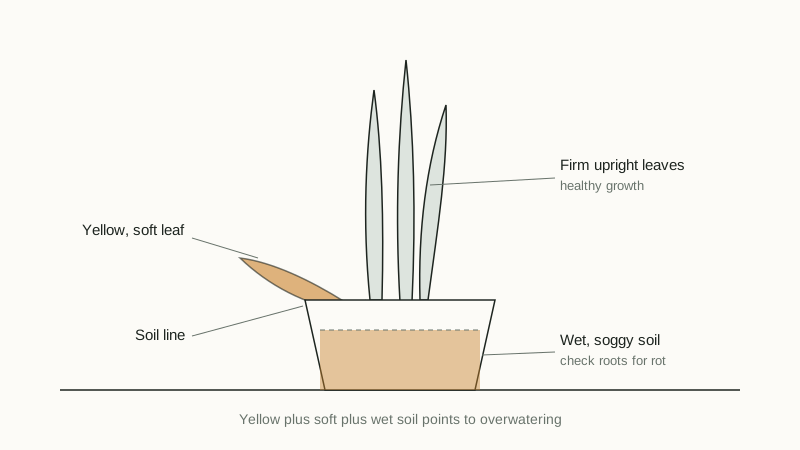
- Heavy dense soil, which suffocates roots and invites rot
- Cold rooms below 60 F or drafty windowsills
- Treating it like a succulent; drying out hard stresses it
- Oversized pots, which stay wet too long around the small root system
Companion plants
It belongs with the other warm, humid aroids: monstera, tree philodendron, and prayer plant share its light and moisture rhythm, and grouping them raises the local humidity all of them want. Skip the succulents and snake plants nearby, since their dry-down schedules are the opposite of what this one needs.
Varieties worth growing
- Red Mambo: the common trade name for the red-flushed selection
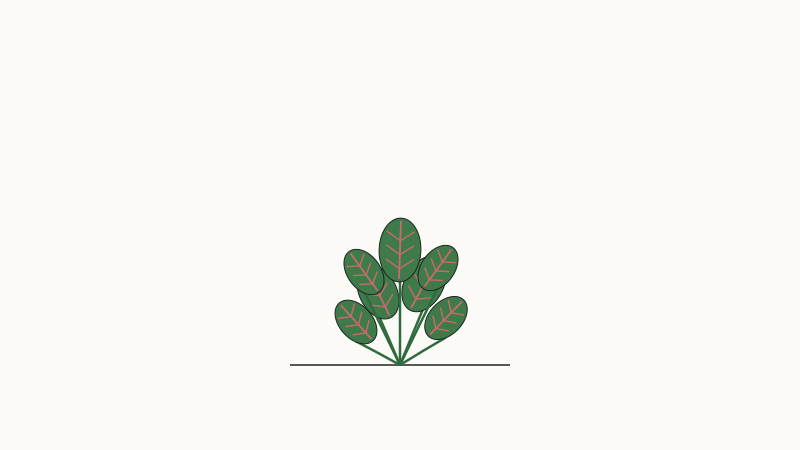
- Species type: coppery-purple flushed leaves with pale veins and a metallic sheen
Frequently asked questions
Is alocasia azlanii rare?
It was a genuine collector plant, though tissue culture has made it more available. It is still slower and smaller than the common alocasias.
How big does alocasia azlanii get?
About a foot tall and wide indoors, maturing over two to five years.
Why are the leaves curling or browning at the edges?
Usually dry air or a drying-out spell. Raise the humidity and keep the mix lightly moist.
Is alocasia azlanii safe around pets?
No. Like all alocasias it contains irritant crystals, so keep it out of reach.