Houseplant growing guide
Arrowhead vine
Syngonium podophyllum · Araceae
Sun
Bright indirect
Season
Year-round indoors
Maturity
Trails or climbs to 6 ft
Water
Moderate
Soil pH
5.5 to 6.5
Spacing
Pot or hanging basket
By Dandre Noah
Planting arrowhead vine
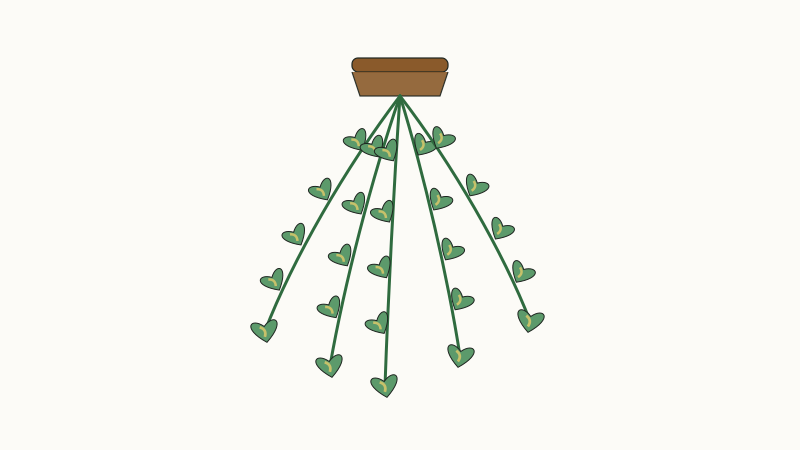
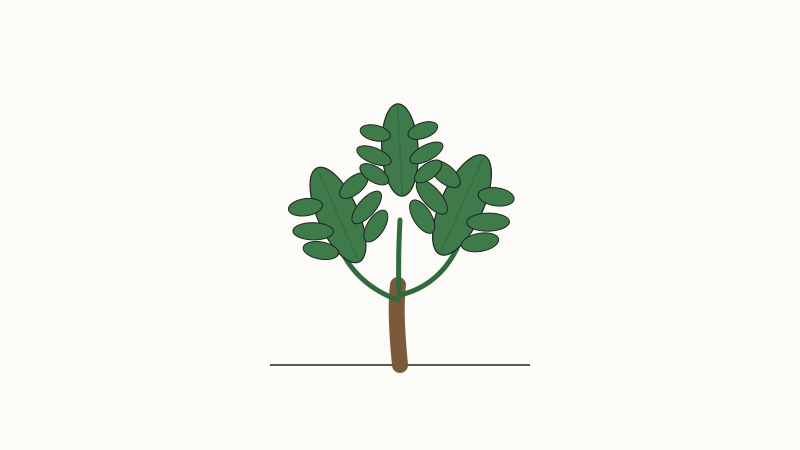
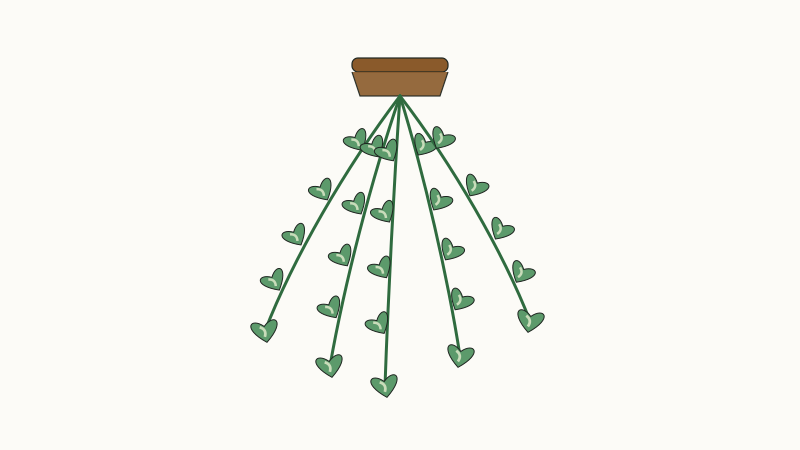
There is no planting date to watch, only a light window. Set a nursery pot in bright, indirect light, an east or north window is ideal, and keep it warm; this is a tropical aroid that lives outdoors year-round only in zones 10 to 12. Young plants stay bushy, but as stems lengthen the plant turns vining and the foliage changes: the arrow-shaped juvenile leaf gives way to lobed blades and eventually to divided leaves of 5 to 11 leaflets. Pinch or cut the stems as they begin to run to keep the compact arrowhead form, or give it a moss pole and let it climb by its adventitious roots.
Planting details
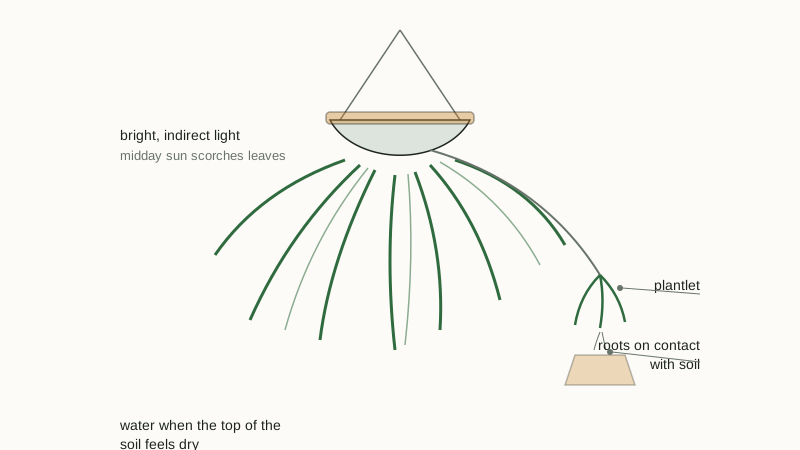
- Bright indirect light; direct sun bleaches and burns the leaves
- Water when the top inch of mix dries; even moisture, never soggy
- Hardy outdoors only in zones 10 to 12
- All parts carry calcium oxalate crystals; toxic to pets and irritating to skin
- Stem cuttings with a node root easily in water or moist mix
Growing requirements
Warmth, humidity, and filtered light are the ask. It tolerates average rooms better than most aroids, but it grows fastest above about 65 degrees with some humidity, and it sulks in cold drafts. A standard peat-based potting mix with good drainage is all it needs, watered when the surface dries. It forgives low light, though the pink and cream variegated cultivars fade to plain green without brightness. Feed lightly in spring and summer; this is not a heavy feeder.
Harvesting and care
Pinch stem tips to keep the plant dense, or prune the vines back hard in spring; the cuttings root in water or moist mix within weeks. Repot every 2 to 3 years when roots circle the pot, going up only one size. Wipe dust off the leaves so they can use the light they get. Watch the petioles for mealybugs, spider mites, and aphids, and keep water off the foliage overnight to avoid bacterial leaf spot.
Common mistakes
- Direct afternoon sun, which bleaches or scorches the foliage
- Constantly wet mix, which yellows leaves and rots the roots
- Letting it vine out and then wondering where the compact arrowhead form went
- Placing it where pets can chew; calcium oxalate causes real mouth irritation
- Cold windowsills in winter; it stalls and drops leaves below about 55 degrees
Companion plants
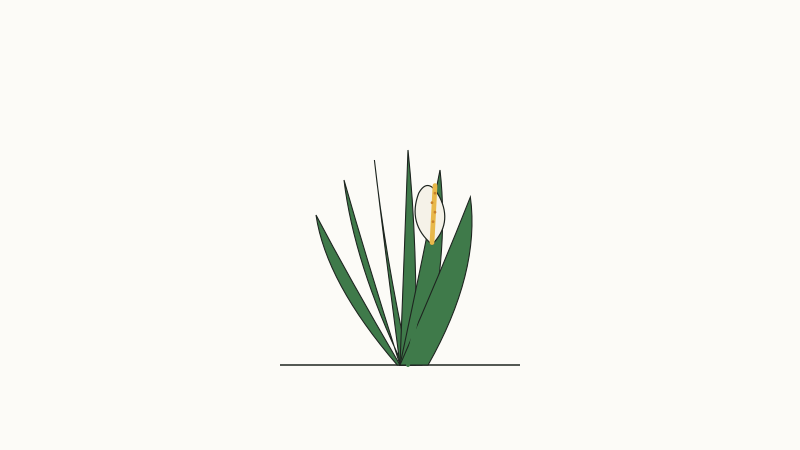
It sits naturally beside other shade-tolerant aroids: pothos, tree philodendron, and peace lily share the same bright-indirect light and watering rhythm. In a mixed container, pair it with plants that dry out at the same rate rather than with succulents. Outdoors in frost-free climates it works as a shaded ground cover under trees.
Varieties worth growing
- Bold Allusion: creamy green leaves with pink veins; slow growing
- Milk Confetti: leaves splashed pink, white, and mint green
- Painted Arrow: creamy leaves splattered in light green
- Three Kings: every leaf different, deep green through white
- Neon Robusta: pink to bronze new foliage
Frequently asked questions
Is arrowhead vine toxic to pets?
Yes. All parts contain calcium oxalate crystals, which cause mouth pain, drooling, and swelling in cats and dogs. Keep it out of reach.
Why did my arrowhead vine lose its arrow-shaped leaves?
That is maturity, not a problem. Vining stems produce lobed and then divided leaves. Prune the vines to keep the juvenile arrowhead form.
Can arrowhead vine grow in water?
Yes. Cuttings root in water and can live there indefinitely with occasional dilute fertilizer.
Is arrowhead vine a philodendron?
No, though they are cousins in the aroid family and often confused. Syngonium leaves start arrow-shaped and become divided on mature vines.