Vegetable growing guide
Beefsteak tomato
Solanum lycopersicum 'Beefsteak' · Solanaceae
Sun
Full sun
Season
Warm
Maturity
80 to 90 days
Water
Moderate
Soil pH
6.0 to 6.8
Spacing
24 to 36 in
By Dandre Noah
Planting beefsteak tomato
Beefsteak is a tomato type rather than a single variety: the big ribbed slicing tomatoes, most of them indeterminate heirlooms and hybrids that want the longest warm season you can give them. Start seed indoors 5 to 7 weeks before your last frost, about 1/4 inch deep. Transplant out 1 to 2 weeks after the last frost once nights hold above 50 F and the soil is genuinely warm; cold soil stalls tomatoes for weeks. Expect first ripe fruit roughly 80 to 90 days after transplanting; hybrids like Big Beef run nearer 73 days while heirlooms like Brandywine take longer. In zones 8 and warmer a midsummer start can carry a fall crop.
Planting details
- Start indoors: 5 to 7 weeks before the last frost
- Transplant: 1 to 2 weeks after last frost, when nights stay above 50 F
- Spacing: 24 to 36 inches; big indeterminate vines sprawl
- Seed depth: about 1/4 inch
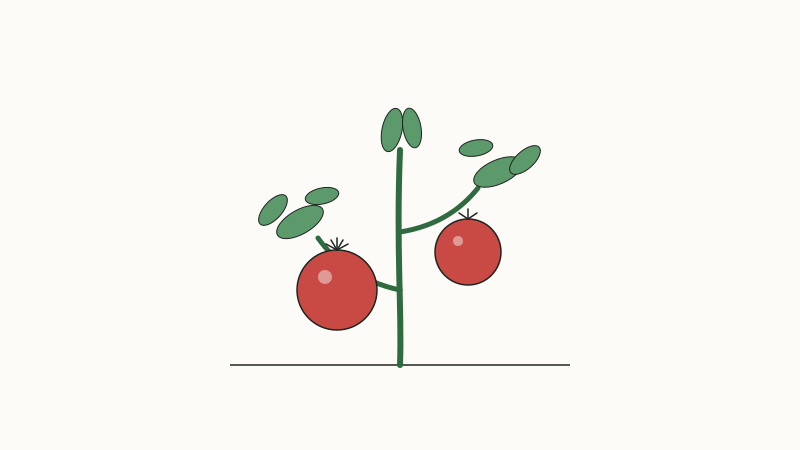
- Nearly all beefsteaks are indeterminate: tall support is required
Growing requirements
Full sun and the richest soil in the garden; tomatoes are heavy feeders and big-fruit types most of all. Aim for soil pH 6.0 to 6.8. Water deeply and evenly, about an inch a week, because dry spells followed by heavy watering split ripe fruit and starve it of calcium enough to cause blossom-end rot; a pound-sized fruit makes both problems worse. Mulch once the soil warms to hold moisture steady and keep disease spores off the lower leaves. Feed lightly at planting and again at fruit set; too much nitrogen grows a vine that produces little fruit.
Harvesting and care
Support the vines from the start: a loaded beefsteak branch carries several pounds of fruit and snaps or lays tomatoes on the ground without a tall cage or stake. Pick at full color for best flavor, or at the first blush stage if cracking or pests are an issue. Thinning fruit on the vine trades count for size if you want the biggest slicers. Expect fewer, larger tomatoes per plant than a standard slicer gives. Big heirlooms crack and catface more readily than modern hybrids, so if that is a chronic problem in your garden, grow a crack-resistant hybrid like Big Beef, an All-America Selections winner bred for it.
Common mistakes
- Assuming Beefsteak is one variety; the name covers a whole class of large tomatoes
- Under-supporting the vine, which lets heavy fruit snap branches or rot on the ground
- Erratic watering, which cracks and blossom-end-rots the biggest fruit
- Starting too late; most beefsteaks need 80 or more days after transplanting
- Heavy nitrogen feeding, which grows vine instead of fruit
Companion plants
Basil, carrots, onions, and parsley share a tomato bed without competing for light or feeding. Keep beefsteaks away from brassicas, which compete heavily for fertility, and from potatoes and corn, which share diseases and pests. The tall vine also shades out anything small planted on its north side, so give companions their own light.
Varieties worth growing
- Big Beef: hybrid, about 73 days, crack resistant and very productive; 1994 AAS winner
- Brandywine: the heirloom standard for flavor; late, large, irregular fruit
- Mortgage Lifter: huge pink fruit, few seeds, around 80 days
- Beefmaster: hybrid bred for consistent large slicers
- Steakhouse: one of the largest, fruit up to 3 pounds, about 75 to 80 days
Frequently asked questions
How big do beefsteak tomatoes get?
Commonly 1 to 2 pounds each. The giant types like Steakhouse can reach 3 pounds under good conditions.
How long do beefsteak tomatoes take?
About 80 to 90 days from transplanting for most heirlooms, and closer to 73 days for early hybrids like Big Beef.
Are beefsteak tomatoes determinate or indeterminate?
Nearly all are indeterminate, meaning they vine and keep producing until frost. Plan on a tall cage or stake.
Why do beefsteaks crack and catface?
Size magnifies the usual triggers: uneven watering after dry spells, and cool nights during flowering for catfacing. Crack-resistant hybrids like Big Beef are the fix if it happens every year.
Sources
- University of Delaware Cooperative Extension: Tomatoes, Beefsteak
- Cornell Vegetable Varieties for Gardeners: Big Beef
- Iowa State University Extension seed germination requirements
- Utah State University Extension vegetable planting groups
- University of Maryland Extension fall vegetable gardening
- University of Minnesota Extension vegetable garden planting