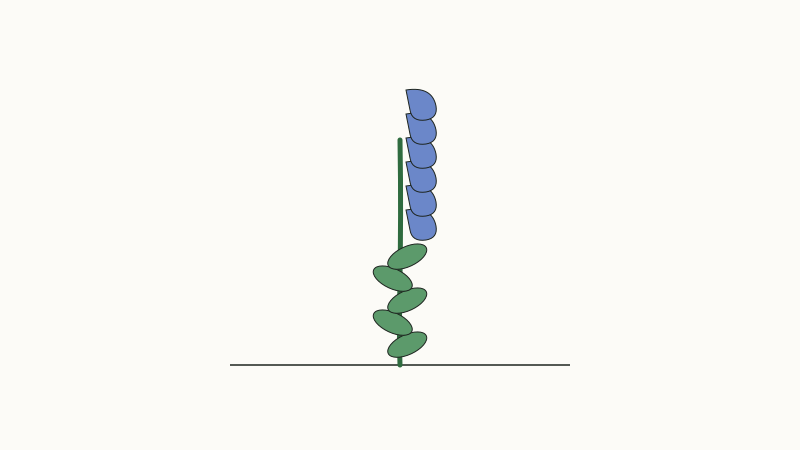
Flower growing guide
Bellflower
Campanula spp. · Campanulaceae
Sun
Full sun to part shade
Season
Perennial, biennial in some species
Maturity
Blooms in year one or two by species
Water
Moderate
Soil pH
6.0 to 7.5
Spacing
8 to 24 in by species
By Dandre Noah
Planting bellflower
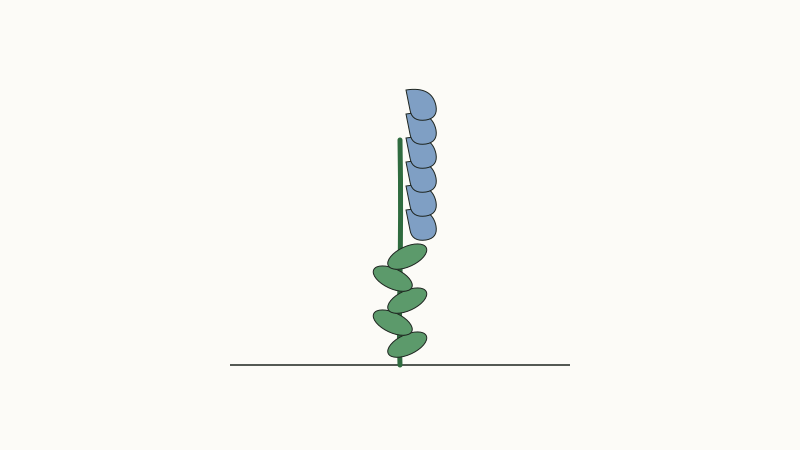
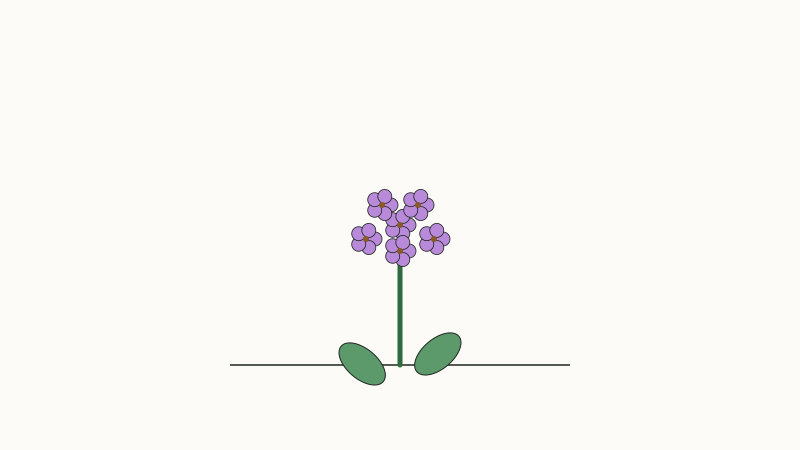
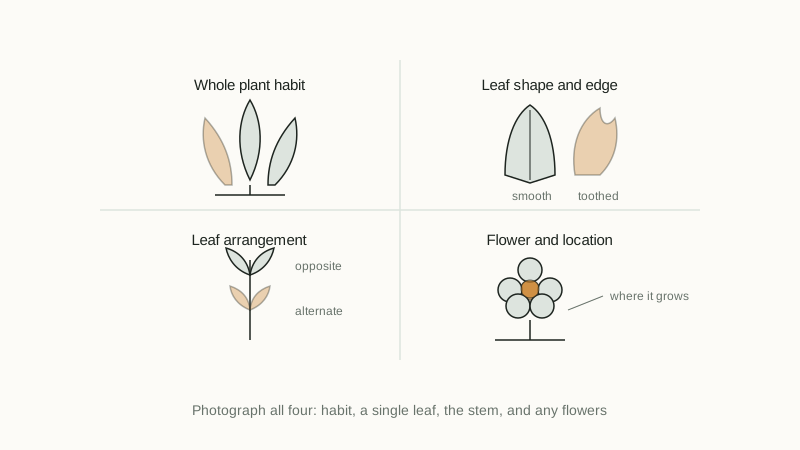
Campanula is a genus of a few hundred species that share the nodding, bell-shaped flower but very different habits, so identify your type before siting. Low mounds like Carpathian bellflower, 4 to 12 inches, go at the front of a border or in a rock garden; tall border species like peach-leaved bellflower stand 2 to 4 feet in the middle; Canterbury bells are biennials that make a leaf rosette one year and flower the next. Plant in spring or early fall in moist, well-drained soil, in full sun in cool climates or part shade where summers run hot. Most are hardy perennials roughly zones 3 to 8 depending on species, and all of them prefer cooler summers over hot, humid ones.
Planting details
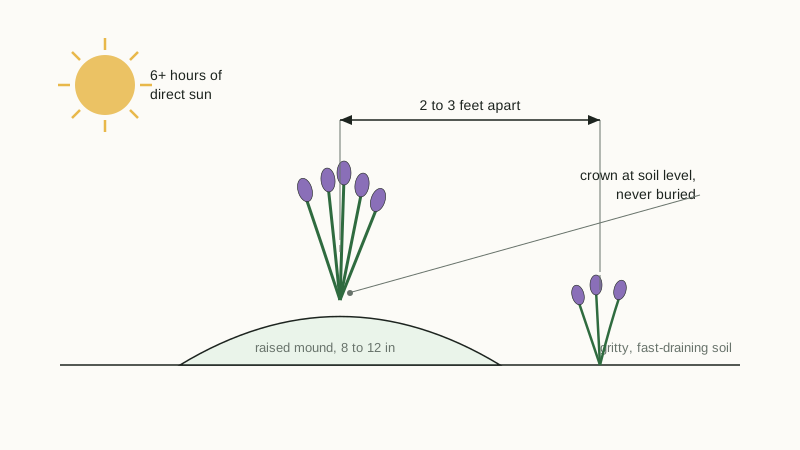
- Spacing: 8 to 12 inches for creeping and mounding types, 18 to 24 inches for tall border species
- Hardiness: roughly zones 3 to 8 depending on species
- Site: full sun in cool climates, afternoon shade where summers are hot
- Soil: moist, well-drained, neutral to slightly alkaline
- Canterbury bells (C. medium) are biennial: rosette year one, bloom year two
Growing requirements
Sun versus shade depends on latitude: cool-summer gardens can give bellflowers full sun, while hot regions need afternoon shade to keep them blooming. They want moisture without wet feet; heavy winter clay rots the crowns. Soil pH is flexible around neutral, roughly 6.0 to 7.5. Heat is the real limit: Canterbury bells intolerant of temperatures much above 80 F is the extreme case, but most campanulas sulk and stop blooming through hot, humid stretches, then recover when nights cool.
Harvesting and care
Deadhead spent bells to keep the plant neat and extend bloom; shearing low mounds like C. carpatica after the first flush often brings a respectable second round. Tall border species may need discreet staking in rich soil or wind. Divide clumping types every three to four years in spring or fall to keep the center from dying out; division is also how you propagate, since seed-grown plants can be variable. Canterbury bells need a different plan: let some pods mature and self-sow, because the parent plant dies after its one big bloom. Watch for slugs on young growth and for the creeping species, which spread by rhizomes faster than expected.
Common mistakes
- Wet winter clay, which rots the crowns
- Hot afternoon sun, which shortens bloom and scorches foliage
- Pulling Canterbury bells after bloom expecting perennial return; they are biennial, so let them seed
- Deep shade, which gives leggy stems and sparse bells
- Never dividing old clumps, which die out in the center
- Letting creeping campanula into a mixed bed, where it becomes a weed
Companion plants
Bellflowers suit the front and middle of a mixed border, blue bells against the golds and whites of neighboring perennials. Hosta and astilbe share the part-shade, moist-soil footing at the woodland edge; daylily and phlox take the same conditions in a sunnier bed. Their closest garden relative is balloon flower, which wants nearly identical care and blooms on a similar schedule. Keep creeping types like C. rapunculoides out of beds entirely, since they invade by rhizome and seed and are nearly impossible to evict.
Varieties worth growing
- C. carpatica: Carpathian bellflower; low tidy mound, blue or white cups, the easiest to grow
- C. persicifolia: peach-leaved bellflower; 2 to 3 foot spikes of big blue or white bells for cutting
- C. medium: Canterbury bells; biennial with huge cup-and-saucer flowers
- C. portenschlagiana: Dalmatian bellflower; rock wall creeper covered in purple bells
- C. punctata: spotted bellflower; showy but spreads by rhizome, so give it room
Frequently asked questions
Is bellflower a perennial or an annual?
Mostly perennial, with one famous exception: Canterbury bells, Campanula medium, is a biennial that flowers in its second year and then dies. Most garden campanulas return for years.
Do bellflowers spread?
It depends on the species. Carpathian bellflower stays a polite clump, while creeping campanula spreads aggressively by rhizomes and seed and is genuinely hard to remove once established.
Are bellflowers good cut flowers?
The tall species are excellent: peach-leaved bellflower and Canterbury bells hold well in a vase. Cut stems when the lowest bells on the spike open.
Why did my campanula stop blooming in midsummer?
Heat. Campanulas are cool-summer plants that stall in hot, humid weather. Deadhead, keep them watered, and most resume as nights cool in late summer.