Fruit growing guide
Black Diamond watermelon
Citrullus lanatus 'Black Diamond' · Cucurbitaceae
Sun
Full sun
Season
Warm
Maturity
85 to 100 days
Water
Moderate
Soil pH
6.0 to 6.8
Spacing
36 to 60 in
By Dandre Noah
Planting black diamond watermelon
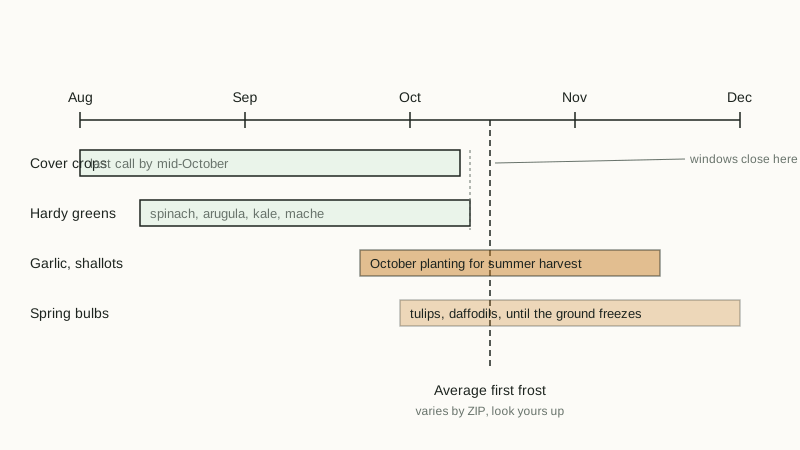
Black Diamond is an open-pollinated heirloom watermelon that trades speed for size: seed catalogs put it at 85 to 90 days to maturity with nearly round fruits of 35 to 50 pounds under a dark, almost stripeless rind. Direct sow 1 to 2 weeks after the last frost once the soil is at least 70 F, about 1/2 to 1 inch deep. Where the season runs short, start seed indoors about 4 weeks early in biodegradable pots, because melon roots resent disturbance. Warm soil is not negotiable; cold seed sits and rots instead of germinating.
Planting details
- Direct sow after frost into 70 F plus soil, about 1/2 to 1 inch deep
- Short season gardens: start indoors 4 weeks early in peat or cow pots
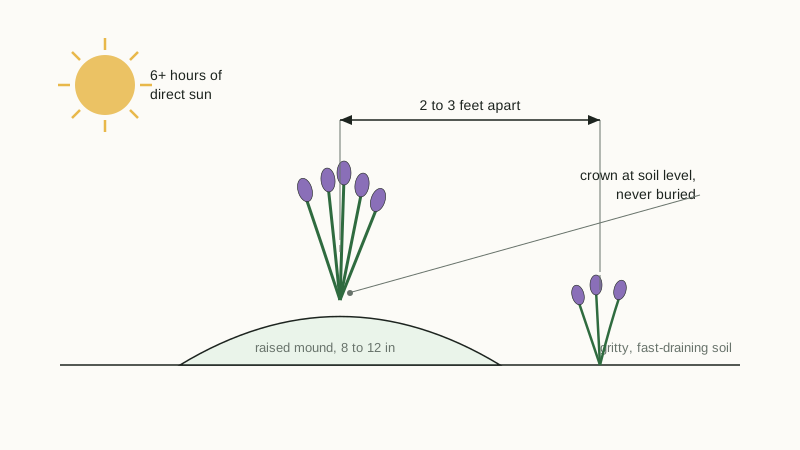
- Spacing: 36 to 60 inches between hills; vines run 10 ft or more
- Days to maturity: 85 to 100, one of the longer-season melons
- Fruit size: commonly 35 to 50 lb; it is not a balcony crop
Growing requirements
Full sun, real heat, and a long growing season are the ask; NC State Extension notes watermelon needs long warm summers and does best planted after all frost danger in warm ground. Use loamy, well drained soil near neutral pH. Keep moisture steady while vines run and fruit sets, then ease off as melons ripen for better flavor. Flowers need bees, and cold, rainy weather during bloom can shut down fruit set entirely.
Harvesting and care
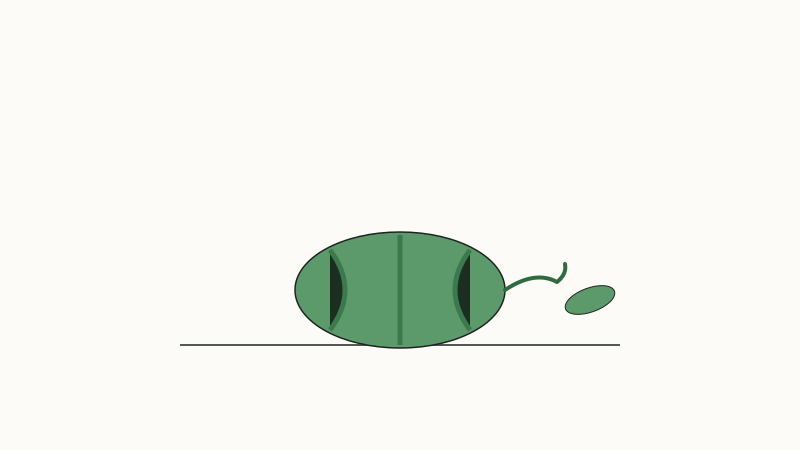
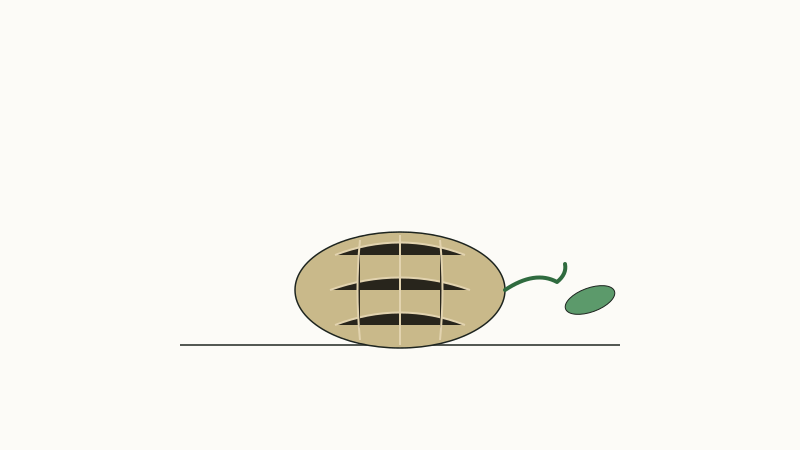
Size alone never tells you a Black Diamond is ripe, and these melons do not ripen after cutting. The reliable cues are the tendril nearest the fruit turning brown and dry and the ground spot shifting from white to creamy yellow; the classic thump test is the least dependable sign. Cut, do not pull, the melon from the vine. Expect the usual cucurbit trouble: cucumber beetles, aphids, squash bugs, powdery and downy mildew, and fusarium wilt where it has built up in the soil.
Common mistakes
- Starting too late for an 85 to 100 day melon; know your frost-free window
- Harvesting on size alone; melons do not ripen after picking
- Planting too close, which limits airflow and fruit size
- Heavy watering as fruit ripens, which dilutes the sugar
- Sowing into cold soil, where seed rots before it germinates
Companion plants
Plant at the edge of the garden where the vines can spill outward into paths or lawn instead of over neighboring rows. Corn and tall sunflowers make good neighbors for a sprawling melon bed, and quick crops like radish or lettuce finish before the vines reach them. Avoid packing it beside other cucurbits, which share the same beetles and wilts.
Varieties worth growing
- Sugar Baby: the early icebox type; 8 to 10 lb fruit around 80 days for short seasons
- Crimson Sweet: striped 20 to 25 lb melons in about 85 days, widely adapted
- Charleston Gray: oblong 30 lb heirloom with good wilt tolerance
- Moon and Stars: heirloom with yellow speckled rind and foliage; another long-season giant
Frequently asked questions
How big do Black Diamond watermelons get?
Commonly 35 to 50 pounds on vigorous vines, which is why the variety was a commercial standard for decades. Expect a few very large melons per plant rather than a pile of small ones.
How do I know when a Black Diamond watermelon is ripe?
Check the tendril closest to the fruit; when it turns brown and dries, the melon is nearly there. Confirm with the ground spot, which shifts from white to creamy yellow. Thumping is the least reliable test.
Can I grow Black Diamond in a short season?
It is the hardest melon on this list for short seasons at 85 to 100 days. Start seed indoors 4 weeks early in biodegradable pots, warm the bed with black plastic, and choose the sunniest spot you have, or pick an earlier variety like Sugar Baby.
Why are my Black Diamond melons small?
Each vine naturally carries only a few fruits of this size. Small fruit usually traces to crowding, cool weather during pollination, inconsistent water during fruit growth, or a season too short for the variety.