Houseplant growing guide
Alocasia polly
Alocasia x amazonica 'Polly' · Araceae
Sun
Bright indirect
Season
Year-round indoors
Maturity
2 to 4 years
Water
Moderate
Soil pH
5.5 to 6.5
Spacing
1 to 2 ft
By Dandre Noah
Planting alocasia polly
Polly is the compact cultivar of Alocasia x amazonica, now classified as A. x mortfontanensis, and it is the alocasia most people meet first because tissue culture puts it in every big-box store. The catch: it ships from warm, bright greenhouses, so expect an adjustment slump after purchase and let it acclimate rather than repotting on day one. When you do repot, go one size up in chunky aroid mix and pull away any basal corms for new plants. Bright indirect light and temperatures above 60 F are the baseline; outdoors only in zones 10 to 12.
Planting details
- Give a new plant a few weeks to acclimate before repotting into aroid mix
- Propagate by removing the small corms around the base in spring
- Keep it snug in the pot; Polly rot follows big pots of wet soil
- Above 60 F year-round, out of drafts and away from heater blasts
- Stays compact, about 1 to 2 feet tall
Growing requirements
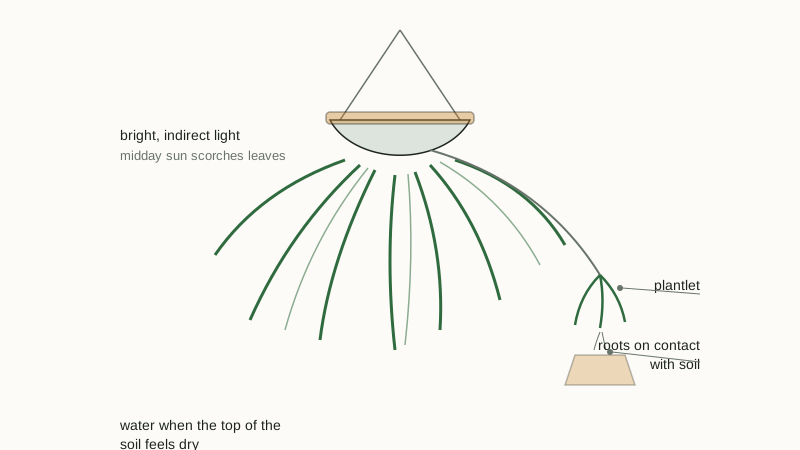
Bright indirect light keeps the silvery vein contrast sharp; direct sun scorches the blades and deep shade dulls them. Water when the surface dries, keeping the mix lightly moist in growth and much drier once the plant rests. Humidity of 60 percent or better prevents the crisped margins Polly is known for. Feed lightly during the growing season only, and accept that this is a plant with seasons: it pushes leaves through spring and summer and slows hard when days shorten.
Harvesting and care
Here is the Polly quirk that sends owners to the internet: in winter it can drop most or even all of its leaves and look dead. The corm is resting, not gone. Move it somewhere bright and warm, water only enough to keep the mix from going dust dry, and it pushes new growth in spring. While it has leaves, check the undersides for spider mites weekly; Polly is a mite magnet in dry rooms. All parts are toxic to pets.
Common mistakes
- Repotting a brand-new plant straight into heavy potting soil
- Declaring a leafless winter plant dead and binning a resting corm
- Watering on a schedule during dormancy instead of checking the mix
- Dry air, which invites the spider mites this cultivar is notorious for
- Direct afternoon sun, which bleaches patches into the dark blades
Companion plants
Polly sits well with the other compact aroids that share its humidity appetite: prayer plant and calathea orbifolia in the same bright, steamy corner, and boston fern for the fine-leaf contrast. Keep it elevated or behind a barrier in pet homes, since it is toxic, and away from the dry radiator shelf where succulents thrive.
Varieties worth growing
- Bambino: a dwarf form with narrower, glossier arrow leaves
- Ivory Coast: deep green leaves on stems that blush pink with age
- Polly variegata: cream-splashed leaves; striking but weaker growing and slower
Frequently asked questions
Why did my alocasia polly lose all its leaves?
Almost certainly winter dormancy, triggered by cold or short days. Cut watering back, keep the corm warm and in bright light, and it should reshoot in spring.
Is alocasia polly toxic to cats and dogs?
Yes. NC State Extension rates the whole genus medium severity; all parts contain calcium oxalate crystals that burn the mouth and throat.
Is polly a species or a cultivar?
A cultivar of the hybrid Alocasia x amazonica, properly A. x mortfontanensis. There is no wild Polly; it exists only in cultivation.
How do I get my polly to hold more leaves?
More light, more humidity, and steadier warmth. It naturally cycles leaves, but a plant holding only one or two is usually underlit or too cold.