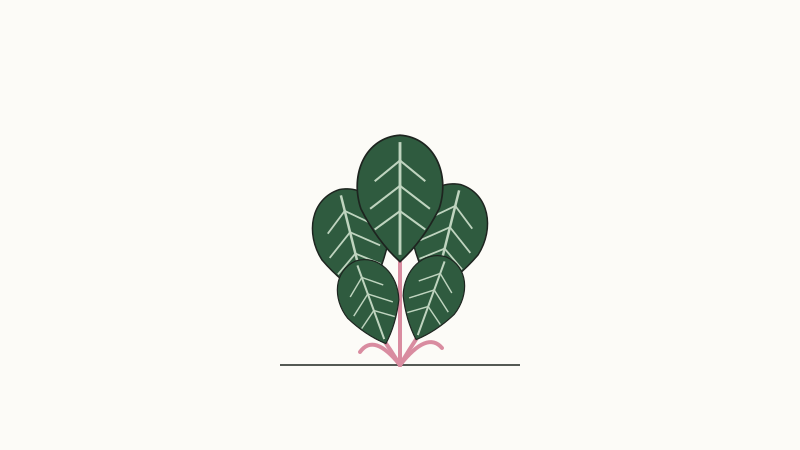
Houseplant growing guide
Alocasia pink dragon
Alocasia lowii 'Morocco' · Araceae
Sun
Bright indirect
Season
Year-round indoors
Maturity
2 to 4 years
Water
Moderate
Soil pH
5.5 to 6.5
Spacing
2 to 3 ft
By Dandre Noah
Planting alocasia pink dragon
The plant sold as Pink Dragon or Alocasia lowii 'Morocco' is really a patented hybrid: breeder Marian Osiecki crossed Alocasia 'Aurora' with 'Polly' in 2007, and Oglesby Plants released the selection as 'ALO3' in its pink-stemmed Safari series. That hybrid vigor is why it settles into homes faster than most alocasias. Pot it in a loose aroid mix in a comfortably snug container and repot in spring; it produces basal shoots freely, so divide those with roots attached to propagate. Keep it above 60 F; outdoors it is limited to zones 10 to 12.
Planting details
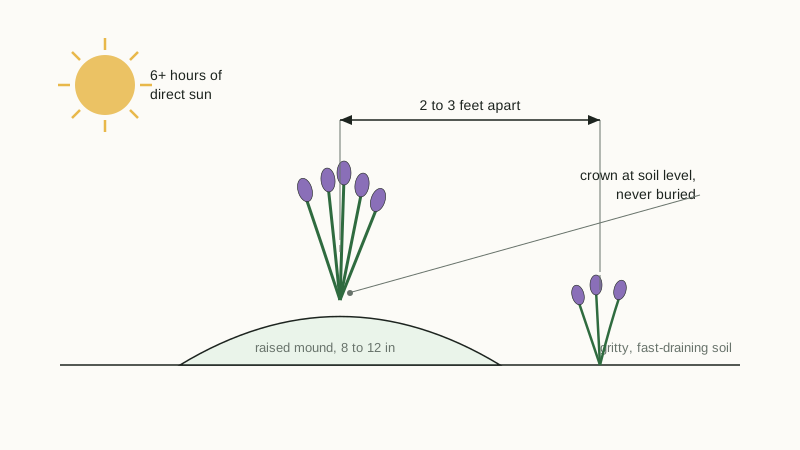
- Snug pot and chunky aroid mix; repot in spring when roots fill it
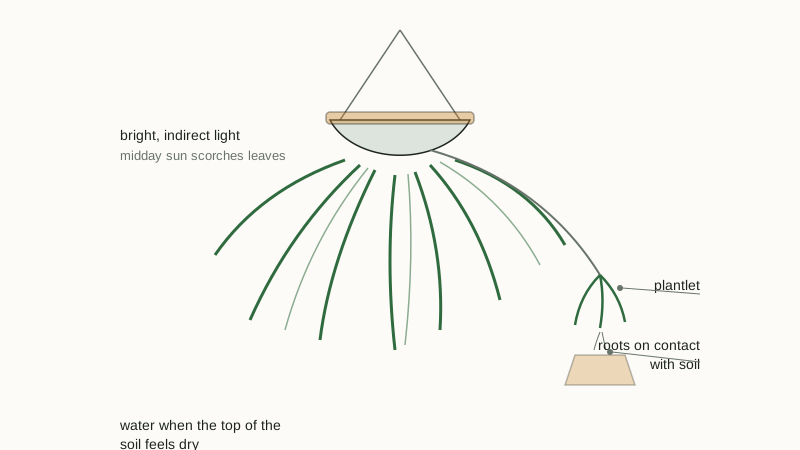
- Basal shoots divide easily and are the sure way to propagate
- Bright indirect light, though it tolerates lower light better than most alocasias
- Keep above 60 F; hardy outdoors only in zones 10 to 12
- Grows 3 to 4 feet tall indoors with leaves to about 20 inches
Growing requirements
Bright indirect light keeps the dark glossy blades and the salmon-pink petioles at their best; the patent notes it also performs under lower light than comparable alocasias, which makes it one of the easier members of the genus for a dimmer room. Water when the top inch of mix dries, keeping the root zone evenly moist with fast drainage. Humidity around 50 to 60 percent is enough, and it tolerates household air better than the jewel types. Feed monthly at half strength during spring and summer.
Harvesting and care
Pink Dragon holds its leaves longer than the fussier species and throws frequent basal shoots, so a full pot stays full. Watch the usual pest, spider mites on the leaf undersides, and wipe the glossy blades now and then so they can use the light. Winter rest is mild; just water less. The pink petioles deepen with maturity and light, so pale stems on a young plant are normal. Every part is toxic if chewed by pets or children.
Common mistakes
- Buying it expecting a species; it is a hybrid, and sellers listing it as Alocasia lowii are using a trade name
- Overpotting the vigorous root system, which keeps mix wet after watering
- Cutting off the frequent basal shoots; those are how it stays full, or how you get new plants
- Strong direct sun, which scorches the glossy blades despite its general toughness
- Assuming the pink stems fade with age; pale petioles usually mean low light or a young plant
Companion plants
Its dark, glossy mass pairs well with finer-textured plants: boston fern or asparagus-like umbrella plant foliage beside it sets off the big blades. Ivory Coast is its closest lookalike, so grow it with the general alocasia for comparison, or with pink-stemmed companions like nerve plant for a subtler echo. As always with alocasias, the whole grouping belongs out of pet reach.
Frequently asked questions
Is pink dragon the same as alocasia morocco?
Yes. Both names refer to the same plant, the hybrid 'ALO3' bred from Alocasia 'Aurora' x 'Polly'. It circulates under the botanical trade name Alocasia lowii 'Morocco' and the cultivar name Pink Dragon.
Is alocasia pink dragon toxic?
Yes. All parts contain calcium oxalate crystals, toxic to cats, dogs, and people if chewed.
Why are my pink dragon stems green instead of pink?
Usually age or light. The salmon-pink color deepens as petioles mature and shows best in bright indirect light.
How big does alocasia pink dragon get indoors?
Expect 3 to 4 feet tall and 2 to 3 feet wide in a roomy pot, with individual leaves up to about 20 inches long.