Houseplant growing guide
Alocasia tiny dancer
Alocasia 'Tiny Dancers' · Araceae
Sun
Bright indirect
Season
Year-round indoors
Maturity
1 to 2 years
Water
Moderate
Soil pH
5.5 to 6.5
Spacing
6 to 12 in
By Dandre Noah
Planting alocasia tiny dancer
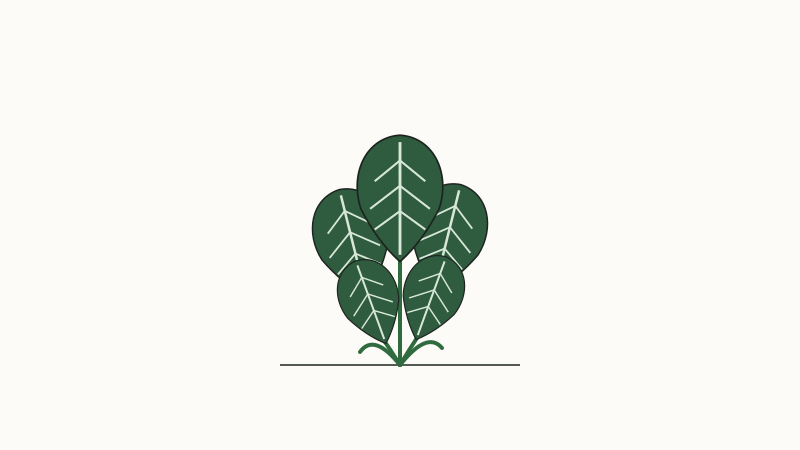
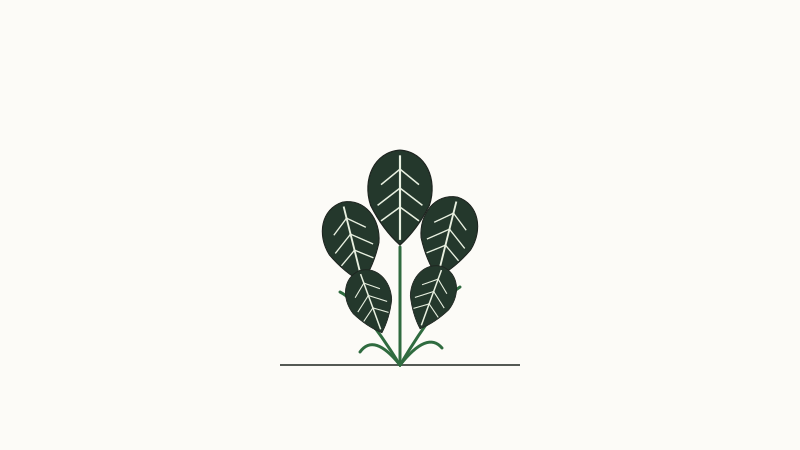
Tiny Dancers is a patented hybrid from breeder LariAnn Garner, a 2009 cross between Alocasia brisbanensis and A. odora, selected for a dwarf habit and an unusual trick: where most alocasias hold a handful of leaves, it keeps many at once on long, delicate petioles. Pot it in a small container of loose aroid mix and repot in spring when crowded. It never flowers or sets seed, so propagation at home is by division of the crowded clump. Bright indirect light and warmth above 60 F; outdoors it is a shade-container plant for zones 10 to 12.
Planting details
- Small pot, loose aroid mix; it stays genuinely dwarf
- Divide the crowded clump in spring to propagate; it does not flower
- Holds far more leaves at once than typical alocasias
- Keep above 60 F and out of drafts
- Matures around 8 to 14 inches tall
Growing requirements
Bright indirect light keeps the little leaves tightly spaced and upright; in low light the petioles stretch and the plant loses its compact charm. Water when the top inch of mix dries and keep it evenly moist in growth, drier in winter. The thin petioles mean the leaves flag visibly when the plant is thirsty, a helpful tell that bigger alocasias do not give. Humidity of 50 percent or more is plenty, and a monthly diluted feed in spring and summer covers its modest appetite.
Harvesting and care
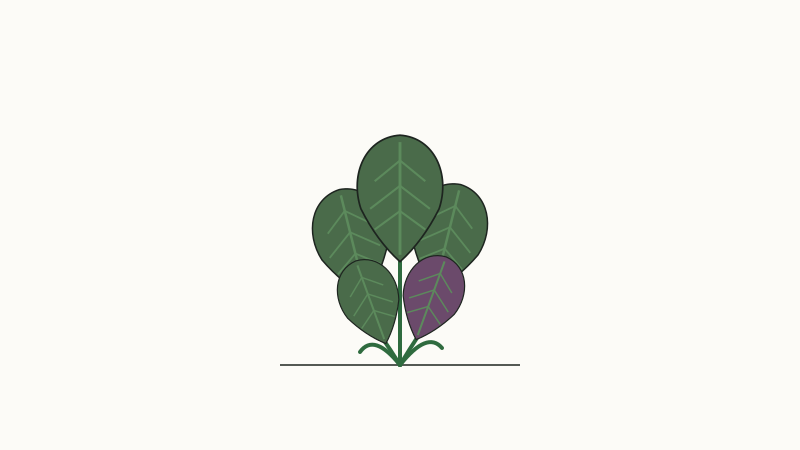
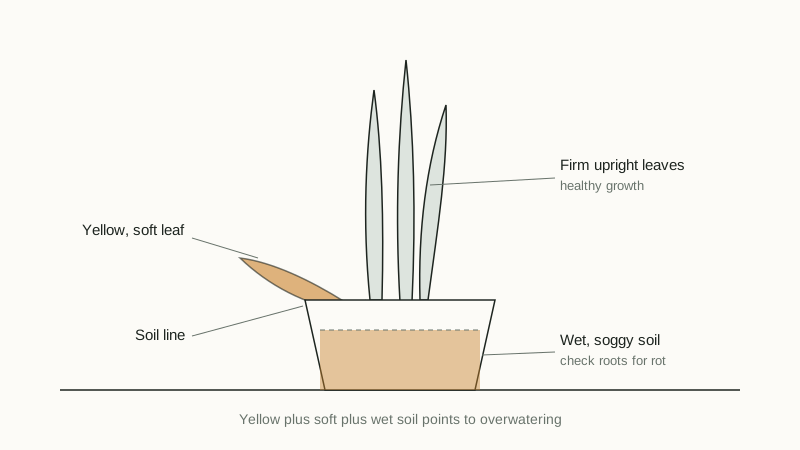
The plant's selling point is leaf retention: instead of three or four leaves it carries a small forest, so dead-leaf panic is rarely warranted unless several yellow at once. That usually means wet, cold roots or a spider mite bloom, so check both. Trim finished leaves at the base to keep the clump tidy. Because it never blooms, all its energy goes into foliage. Like every alocasia it is toxic if chewed, and the small leaves sit right at cat-eye height on a low shelf.
Common mistakes
- Overpotting the dwarf rhizome in a big pot of wet mix
- Dim light, which stretches the petioles and ruins the compact habit
- Panicking over single yellow leaves; expect turnover, not leaf loss en masse
- Heavy feeding; it is a small plant with a small appetite
- Cold windowsills; below about 60 F it stalls fast
Companion plants
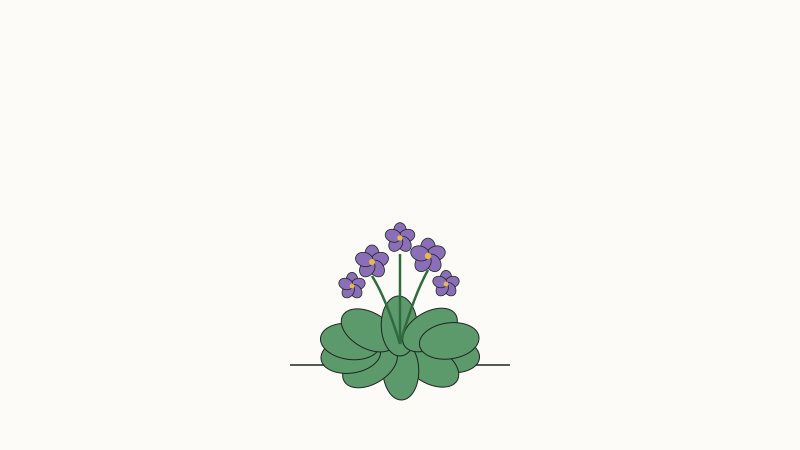
Its scale suits it to the small end of a plant shelf: african violet and peperomia sit at the same height and take the same bright filtered light, while its tropical look contrasts the fine texture of nerve plant beside it. Keep it off the floor in pet homes. In a summer shade container it pairs with impatiens, which want the same moist, shaded footing.
Frequently asked questions
Does alocasia tiny dancer flower?
No. The patent notes it does not produce flowers or seeds, which is part of why it holds so many leaves: the plant's energy stays in foliage.
Is tiny dancer a cultivar or a species?
A patented hybrid, Alocasia brisbanensis x A. odora, protected as 'Tiny Dancers' under US Plant Patent PP26,607. It exists only in cultivation.
Is alocasia tiny dancer toxic to cats and dogs?
Yes. It contains calcium oxalate crystals like every alocasia, and its low height puts leaves within easy reach of pets.
How do I propagate tiny dancer?
By division only. When the clump is crowded, ease it apart at repotting so each piece keeps roots and a few leaves.