Houseplant growing guide
Anthurium clarinervium
Anthurium clarinervium · Araceae
Sun
Bright indirect
Season
Year-round indoors
Maturity
3 to 5 years
Water
Moderate
Soil pH
5.5 to 6.5
Spacing
1 to 2 ft
By Dandre Noah
Planting anthurium clarinervium
Clarinervium is a compact epiphyte from Mexico that grows wedged into rocky, debris-filled pockets, and it wants a pot that mimics that footing. Use the chunkiest aroid mix you can assemble: orchid bark, perlite, and a little peat or coco fiber holding it together, with the rhizome set shallow so the crown sits at the surface. It stays small, rarely over a foot tall in a pot, so a 4 to 6 inch container handles it for years. Repot in spring only when roots circle the pot, stepping up one size. Like every anthurium it is a houseplant everywhere but zones 11 and 12, and the most common way people acquire one is a division or stem cutting rather than seed.
Planting details
- Pot in very chunky aroid mix with the rhizome just at the surface
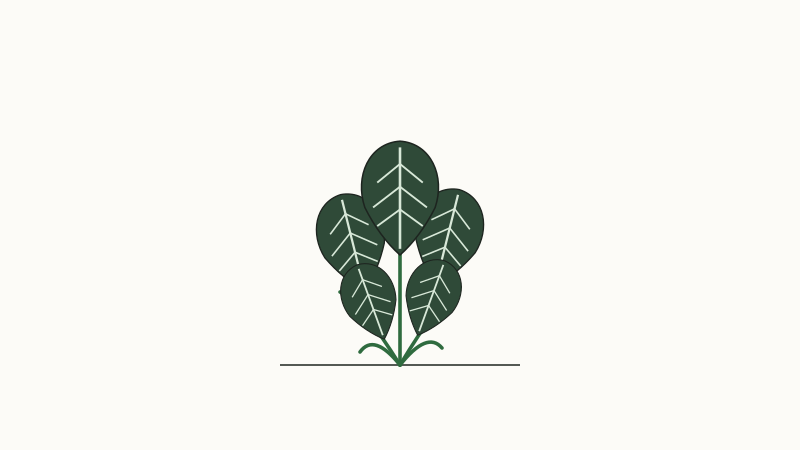
- Velvety heart-shaped leaves with bold white veins; the flowers are insignificant
- Compact grower, about a foot tall; a small pot suits it for years
- Repot in spring when rootbound; divisions and stem cuttings propagate it
- Toxic to pets if chewed; all parts carry calcium oxalate crystals
Growing requirements
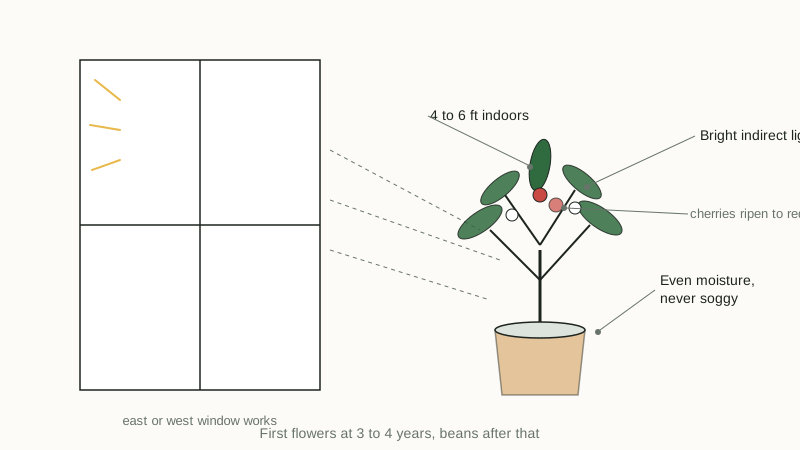
Bright indirect light keeps the white veining bold against the dark velvet; an east window or a spot a foot or two back from a south window is ideal, and direct afternoon sun scorches the blades. Water when the top inch or two of the chunky mix dries, aiming for evenly moist without ever staying soggy. Humidity is where this plant negotiates: it survives at 50 percent but grows clean, unblemished leaves at 60 to 70 percent, which is why so many end up in cabinets and terrariums. Keep it above 60 F and away from drafts. Feed lightly during the growing season with a diluted balanced or orchid fertilizer every few weeks, and cut feeding back in winter along with water.
Harvesting and care
Growth is slow, one new leaf at a time, and each leaf lasts well over a year, so patience is the routine. Wipe the velvety blades gently when they dust up, and pull off leaves that have fully yellowed at the base. The plant produces a modest greenish spathe and spadix occasionally, often followed by bright orange berries indoors if pollinated, but the foliage is the point. Spider mites work the soft leaf undersides, so check regularly. The standard warning applies here too: every part is toxic if chewed, so keep it where pets cannot reach it.
Common mistakes
- A dense, peaty potting mix, which rots the shallow rhizome
- Direct sun, which bleaches and burns the velvety blades
- Watering while the mix is still wet through, the fastest route to root rot
- Average household humidity below about 50 percent, which browns edges and invites mites
- Cold below 60 F and drafty windowsills
- Handling or repotting roughly; the thick leaves tear and scar
Companion plants
Clarinervium anchors a foliage grouping the way the flowering anthuriums cannot, pairing naturally with the other velvet-leaf aroids: crystallinum beside it shows off the vein contrast collectors want. Around it, plants that share the humidity and bright indirect light work best, like prayer plant and calathea orbifolia, which also keep the display safe-looking next to its more famous relatives. Because the whole cluster is toxic territory, site it as a group on a high shelf or in a cabinet rather than at floor level with pets.
Frequently asked questions
What is the difference between anthurium clarinervium and crystallinum?
Clarinervium is the smaller, thicker-leaved plant: broader white veins on shorter, rounder, almost cardboard-textured blades. Crystallinum grows larger, more elongated leaves with finer silver veining and climbs slightly.
Does anthurium clarinervium flower?
Yes, but the bloom is a small greenish spathe and spadix nothing like the red florist flowers. It can even set orange berries indoors. Grow it for the leaves.
Is anthurium clarinervium toxic to cats and dogs?
Yes. Like all anthuriums it contains calcium oxalate crystals that burn and swell the mouth if chewed. Keep it out of reach.
Why are the edges of my clarinervium leaves browning?
Usually low humidity or a watering rhythm that swings between soaked and bone dry. Raise humidity toward 60 to 70 percent and water when the top of the mix dries.