Houseplant growing guide
Anthurium crystallinum
Anthurium crystallinum · Araceae
Sun
Bright indirect
Season
Year-round indoors
Maturity
3 to 5 years
Water
Moderate
Soil pH
5.5 to 6.5
Spacing
1 to 2 ft
By Dandre Noah
Planting anthurium crystallinum
Crystallinum is a Colombian and Panamanian species that grows as both a ground-rooted plant and an epiphyte on branches, so it tolerates a slightly heavier mix than the true cliff-dwelling anthuriums while still demanding air at the roots. Pot it in orchid bark loosened with perlite and peat or coco fiber, rhizome shallow at the surface, in a pot only a little wider than the root mass. It climbs slowly on a short stem and can be given a small moss pole as it matures. Repot in spring when roots fill the pot, and propagate by stem cuttings or division at the same time. Indoors everywhere outside zones 11 and 12.
Planting details
- Airy aroid mix, rhizome at the surface; slightly more forgiving than clarinervium
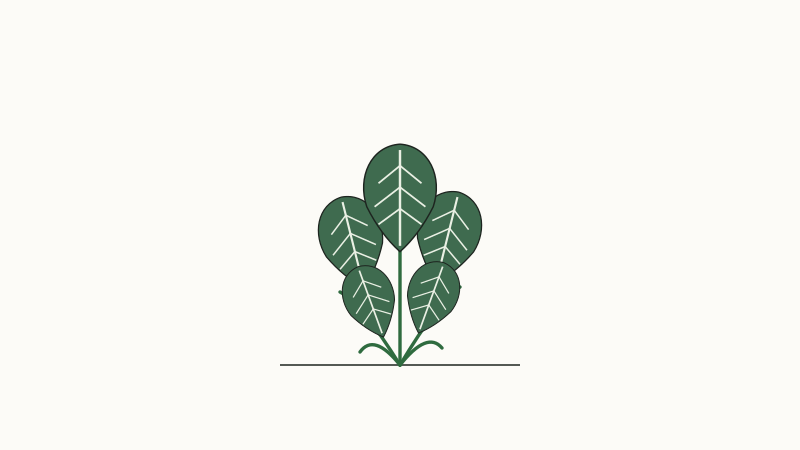
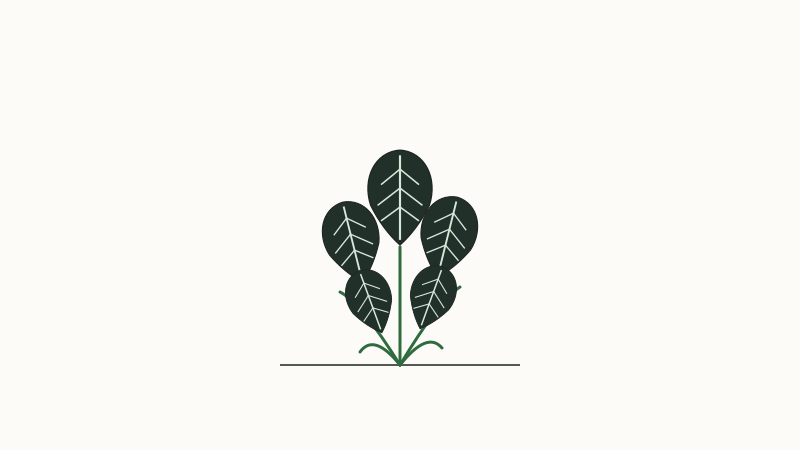
- Velvety deep-green heart-shaped leaves to about 18 inches with silver-white veins
- Slow climber on a short stem; a small moss pole suits mature plants
- Repot in spring when crowded; propagate by division or stem cuttings
- Toxic to pets if chewed; keep the big leaves out of reach
Growing requirements
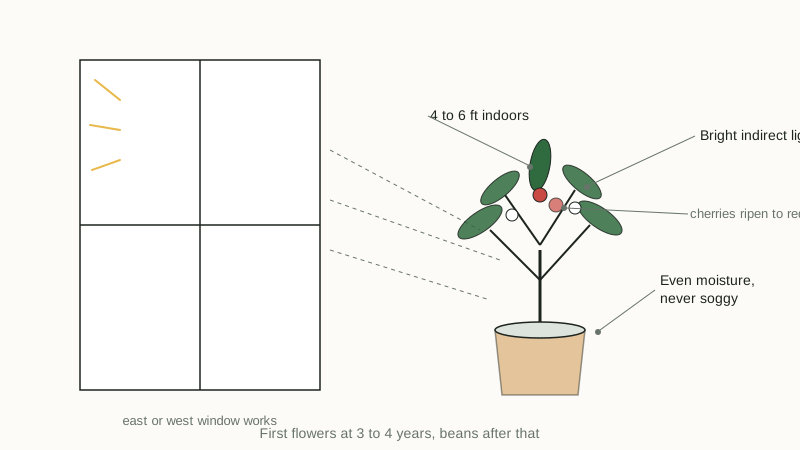
Give it the brightest indirect light you can without direct sun, which keeps new leaves sizing up instead of shrinking; a little gentle morning sun is tolerated. Water when the top inch of mix dries, never letting the pot sit wet. This species wants more consistent humidity than the average living room gives: 60 percent or better prevents the crispy margins and mites that plague it in heated air, and many growers keep it in a cabinet. Temperatures in the 65 to 85 F range suit it, and anything under 60 F stalls it. Feed dilute balanced or orchid fertilizer every few weeks in the growing season and ease off in winter.
Harvesting and care
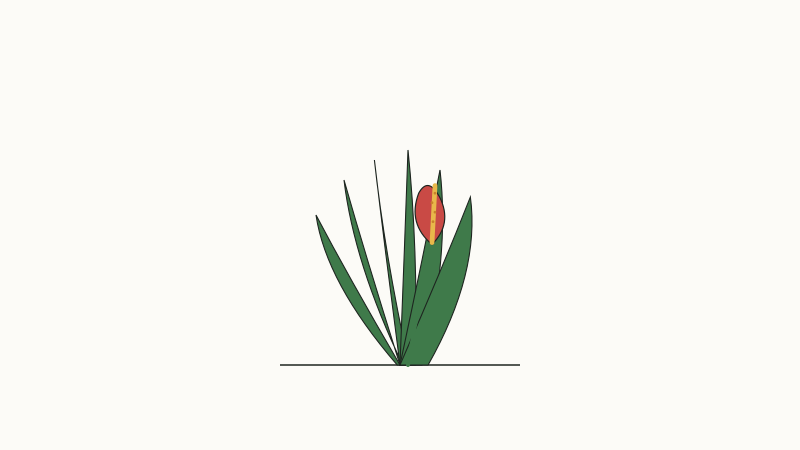
Leaves last a long time, so a healthy plant slowly builds a rosette of oversized velvet blades. Expect each new leaf to unfurl reddish or bronze before hardening off deep green. Wipe dust from the blades with a soft cloth, remove fully spent leaves at the base, and check undersides for spider mites, which find the velvet texture inviting. It does flower indoors, a narrow green spathe with a yellow spadix that can develop purplish berries, but the display is the foliage. The usual aroid caution applies: calcium oxalate crystals make every part toxic to cats, dogs, and kids.
Common mistakes
- Dense potting mix or a pot sized too large, which keeps roots wet and invites rot
- Humidity below about 55 percent for long stretches, which browns margins and draws mites
- Harsh direct sun on the velvet blades
- Cold rooms and drafts under 60 F
- Wiping leaves hard or often; the velvet surface marks easily
- Giving up on a slow plant; a new leaf every month or two is normal growth
Companion plants
Crystallinum is the collector centerpiece that smaller velvet aroids gather around; pair it with clarinervium so the two vein patterns play off each other, or with the dark arrowheads of alocasia black velvet for a display of contrasting leaf forms. For living company at its base, prayer plant and calathea orbifolia share the humidity and filtered light without competing for attention. Group them together in a humid cabinet or high shelf, since the anthurium side of the grouping is toxic to pets.
Frequently asked questions
How big do anthurium crystallinum leaves get?
About 18 inches long on a mature plant in good conditions. New leaves open bronze or reddish and darken to deep velvet green over a few weeks.
Is anthurium crystallinum the same as clarinervium?
No. They are different species that get confused constantly. Crystallinum grows larger, longer leaves with finer silver veins and climbs a bit; clarinervium stays compact with thicker, broader-veined blades.
Is anthurium crystallinum toxic to pets?
Yes. All anthuriums contain calcium oxalate crystals that irritate and burn the mouth if chewed. Display it where cats and dogs cannot reach.
Does anthurium crystallinum need a humidity cabinet?
Not strictly, but it is the difference between surviving and looking good. Around 60 percent humidity keeps edges clean; below that, a cabinet or humidifier is the honest fix.