Flower growing guide
Azalea
Rhododendron · Ericaceae
Sun
Part shade
Season
Spring-blooming shrub
Maturity
3 to 8 ft, varies by type
Water
Moderate; even moisture
Soil pH
4.5 to 6.0
Spacing
36 to 72 in
By Dandre Noah
Planting azalea
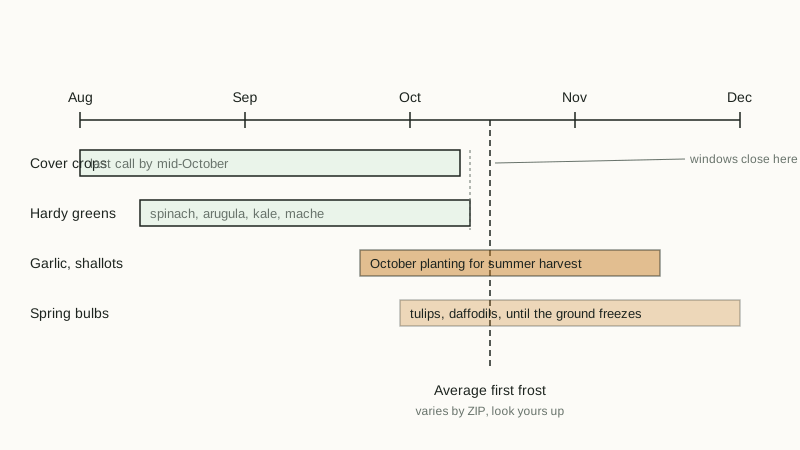
Azaleas want to be planted high, in acid soil, in gentle shade. Set the top of the root ball an inch or two above grade rather than level with it, because their shallow fibrous roots suffocate and rot in wet or deeply planted ground. Amend the whole planting bed with composted pine bark or organic matter, not just the hole, and never add lime. Plant container azaleas in fall where possible so roots establish before summer heat; spring planting works if you can water faithfully. Hardiness varies by type: evergreen azaleas mostly run zones 6 to 9, hardy hybrids like PJM and Northern Lights reach zone 4, and native deciduous azaleas cover zones 4 to 9. Give each plant 3 to 6 feet of room.
Planting details
- Mature size: typically 3 to 8 feet, from dwarf types to tall Southern Indica
- Hardiness: evergreen types zones 6 to 9, hardy and deciduous types to zone 4
- Soil: acidic, pH 4.5 to 6.0, organic rich, and sharply drained
- Plant high: top of the root ball at or slightly above soil level
- Mulch 2 to 3 inches of pine bark or pine needles, kept off the stems
Growing requirements
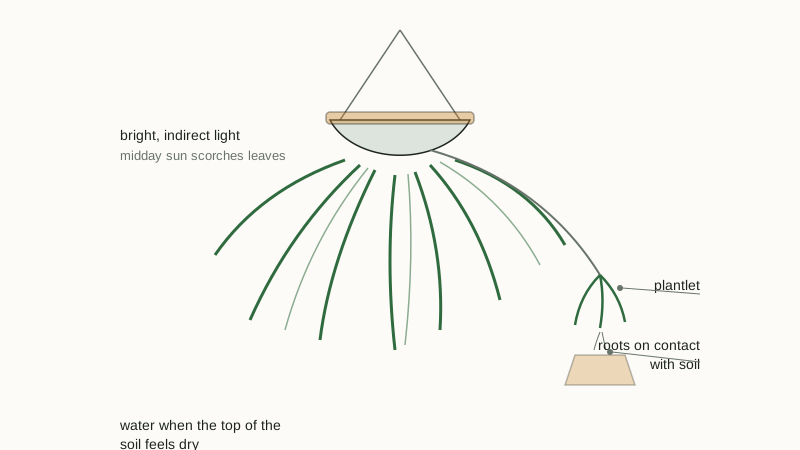
The ideal azalea site is the dappled light under tall pines: morning sun and afternoon shade, with filtered sun being the single biggest factor in flower quality per Clemson Extension. Too much sun scorches leaves and invites lace bugs; too much shade produces weak, leggy growth and few blooms. Soil must be acidic, between pH 4.5 and 6.0, and both moist and drained, a combination that trips up most failures: the shallow roots dry out fast in drought but rot in soggy clay. Water deeply during dry spells rather than shallowly every day. Feeding is minimal: a light application of acid forming fertilizer just after bloom, or nothing at all in rich organic soil.
Harvesting and care
Nearly all azalea care is timing and placement. Prune immediately after the flowers fade, because next year's buds form by late summer and any pruning after midsummer cuts off the next show. Deadheading spent trusses keeps the plant tidy but is optional. Renew the mulch ring yearly, pull weeds shallowly since the roots sit near the surface, and never cultivate under it. Watch the undersides of leaves for lace bug, the speckled bleaching and black tar spots that are worse on sun grown plants. Phytophthora root rot from poor drainage causes wilt and dieback; the prevention is the high planting and drainage done at the start. Yellowing leaves with green veins signal chlorosis on alkaline soil, corrected with acidifying amendments. Deer browse azaleas heavily, and every part of the plant is toxic if eaten.
Common mistakes
- Planting too deep, which suffocates the shallow roots and invites root rot
- Alkaline or limed soil, causing the chlorosis that yellows the leaves
- Pruning after midsummer and cutting off all of next year's flower buds
- Full afternoon sun, which scorches leaves and worsens lace bug
- Deep shade, where the plant survives but produces almost no flowers
Companion plants
Azaleas are the anchor of the acid soil shade bed, and their companions share the same requirements. Hostas fill the ground beneath and beside them with the same taste for moist, acidic, organic soil in shade. Ferns, including autumn fern, thread between the shrubs in deep shade. Hydrangeas like Annabelle tolerate similar woodland conditions, though they want a bit more moisture. The practical rule is what not to plant: anything that needs limed or alkaline soil belongs elsewhere, and shallow rooted azaleas resent being planted under maples and other greedy surface rooting trees that steal their water.
Varieties worth growing
- Encore series: reblooming evergreen azaleas that flower spring and again in fall
- Southern Indica hybrids: large, vigorous evergreens for the South, up to 10 feet
- PJM group: very cold hardy lavender pink types for northern gardens
- Northern Lights: deciduous, fragrant, and hardy into zone 3 to 4
- Native deciduous azaleas: fragrant Florida, flame, and swamp azaleas for natural shade gardens
Frequently asked questions
Are azaleas and rhododendrons the same?
Azaleas are a subgroup within the genus Rhododendron. As the American Rhododendron Society puts it, all azaleas are rhododendrons, but not all rhododendrons are azaleas.
Why are my azalea leaves turning yellow?
Usually chlorosis from soil that is not acid enough; the leaves yellow while the veins stay green. Test the pH and acidify, aiming for 4.5 to 6.0.
When should I prune azaleas?
Right after they finish blooming in spring. They set next year's buds by late summer, so any later pruning removes the following year's flowers.
Are azaleas toxic to pets?
Yes. All parts contain grayanotoxins and are poisonous if eaten by pets or people, and deer find them tasty as well.